


The World Health Organization (WHO) has called on governments, health entities, and the public to stay alert as the West Nile virus spreads through parts of Europe during peak mosquito season, sparking concerns over a rising number of infections.

Health authorities report that warmer temperatures, shifting weather patterns, and growing mosquito populations are contributing to the increased transmission of this mosquito-borne disease in several European nations. Recent data indicate that locally acquired human cases have already emerged this season, affecting countries such as Italy, Greece, North Macedonia, Romania, and France.
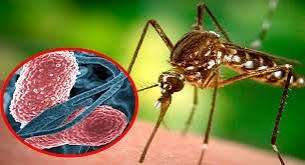
The WHO highlights that the West Nile virus is mainly transmitted to humans via bites from infected mosquitoes, which contract the virus from infected birds. Most people who become infected show no symptoms, though around one in five may develop fever, headaches, body aches, fatigue, or skin rashes. In rare instances, especially among older individuals and those with compromised immune systems, the infection can lead to severe neurological issues like meningitis or encephalitis.
The WHO recommends that residents and travelers in affected areas limit their mosquito exposure by using insect repellents, wearing long-sleeved clothing, installing window screens, and eliminating standing water where mosquitoes breed. Public health authorities have also ramped up mosquito surveillance and vector-control efforts in high-risk regions.
The European Centre for Disease Prevention and Control (ECDC) continues to monitor the outbreak, observing that seasonal transmission typically peaks in the summer and early autumn. Experts caution that climate change is prolonging mosquito breeding seasons, raising the likelihood of recurring outbreaks throughout southern and central Europe. Health experts emphasize that there is currently no specific antiviral treatment or broadly available vaccine for the West Nile virus, making prevention and early detection crucial in limiting infections.
Authorities have urged healthcare providers to remain vigilant for suspected cases, particularly among patients displaying unexplained neurological symptoms following mosquito exposure.
This recent alert emphasizes the need for sustained public awareness and coordinated surveillance as European countries strive to control the virus’s spread and protect vulnerable populations during this transmission season.