






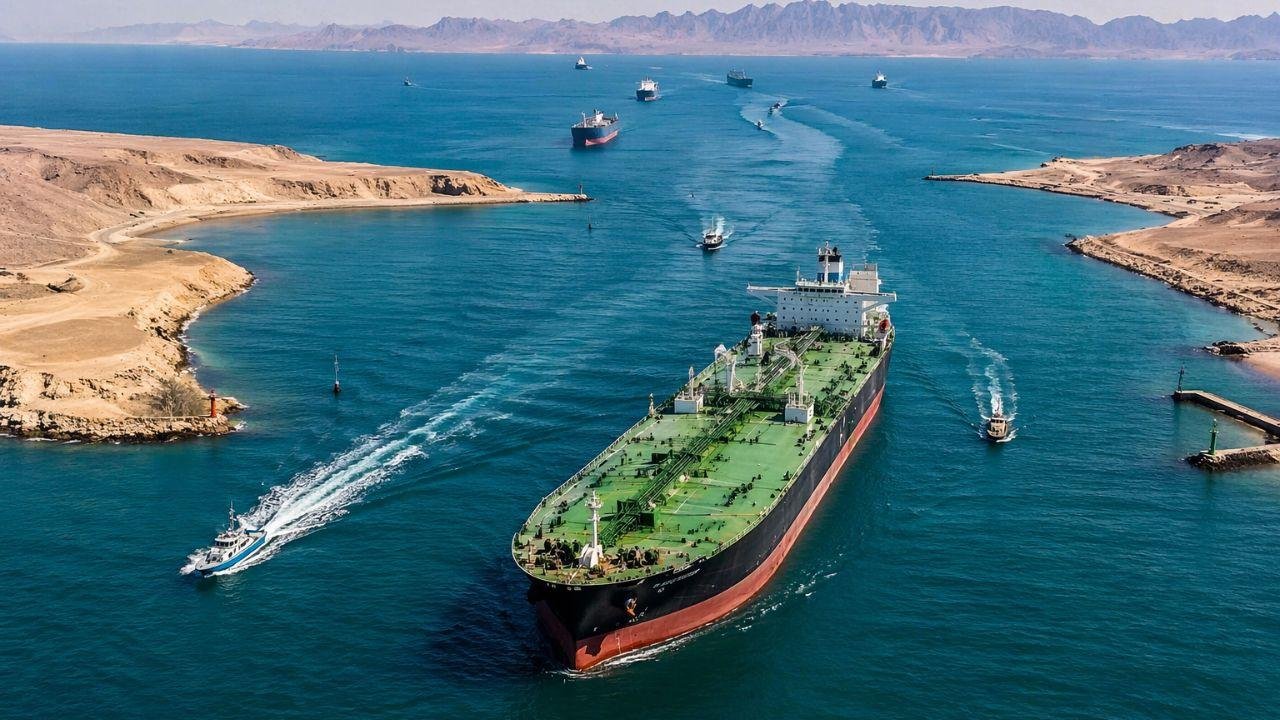
Iran has announced it reached an agreement with Oman regarding a shipping route through the Strait of Hormuz. However, Iranian Foreign Ministry spokesperson Esmaeil Baqaei cautioned that this arrangement doesn’t guarantee safe navigation, attributing security concerns to the ongoing US blockade of Iranian ports. Neither the US nor Oman has responded to this development.
The backdrop of these negotiations is tense, marked by conflict when the US and Israel attacked Iran in February. Since then, Iran has largely restricted access to the strait, a critical passage for around 20% of the world’s oil and LNG. This led to US President Donald Trump warning that Iran would face severe consequences if the strait remained closed.

Though US officials have indicated talks might lead to a reopening soon, Iran insists it’s not negotiating directly with the US. Iran’s Deputy Foreign Minister Kazem Gharibabadi later confirmed that the new route could be a temporary solution, open for two to four months, without diving into specifics.
READ ALSO: Iran Strikes Cancelled for Now, Trump Says
The global energy market has been volatile amid these disruptions, with oil prices slightly declining recently. Disagreements persist over Iran’s plan to impose transit fees on ships passing the strait, which Tehran suggests should be between 5% and 7% of cargo value, contrasting with Oman’s proposed 3% and the US’s stance against any fees.
A previous attempt to ease tensions in June—through a Memorandum of Understanding between Iran and the US—failed, leading to resumption of hostilities. The US continues its naval blockade around Iranian ports, while another blockade affects Saudi ports due to Yemen’s Iran-backed Houthis.
The conflict intensified following a broad attack by the US and Israel, which led to the closure of the strait and the death of Iran’s then-Supreme Leader Ayatollah Ali Khamenei. His son and successor, Ayatollah Mojtaba Khamenei, was injured in the same attack and has since maintained a low profile, fueling speculation about his health and leadership amidst ongoing tensions.

Iranian President Masoud Pezeshkian acknowledged communication challenges with the younger Khamenei but emphasized his importance as a stabilizing force. Despite not attending his father’s funeral and remaining out of public view, Khamenei Junior continues to influence through written communication, though rumors about his leadership persist. Pezeshkian defended him against negative portrayals, describing him as logical and kind during their meetings.