







The United States Senate has overwhelmingly approved a sweeping sanctions package targeting Russia, marking a major bipartisan effort to increase pressure on President Vladimir Putin and strengthen US support for Ukraine.
The legislation passed by an 86–11 vote and targets countries that continue to purchase Russian oil, gas and other exports. Its broader objective is to restrict the revenue streams that help finance Russia’s war effort.
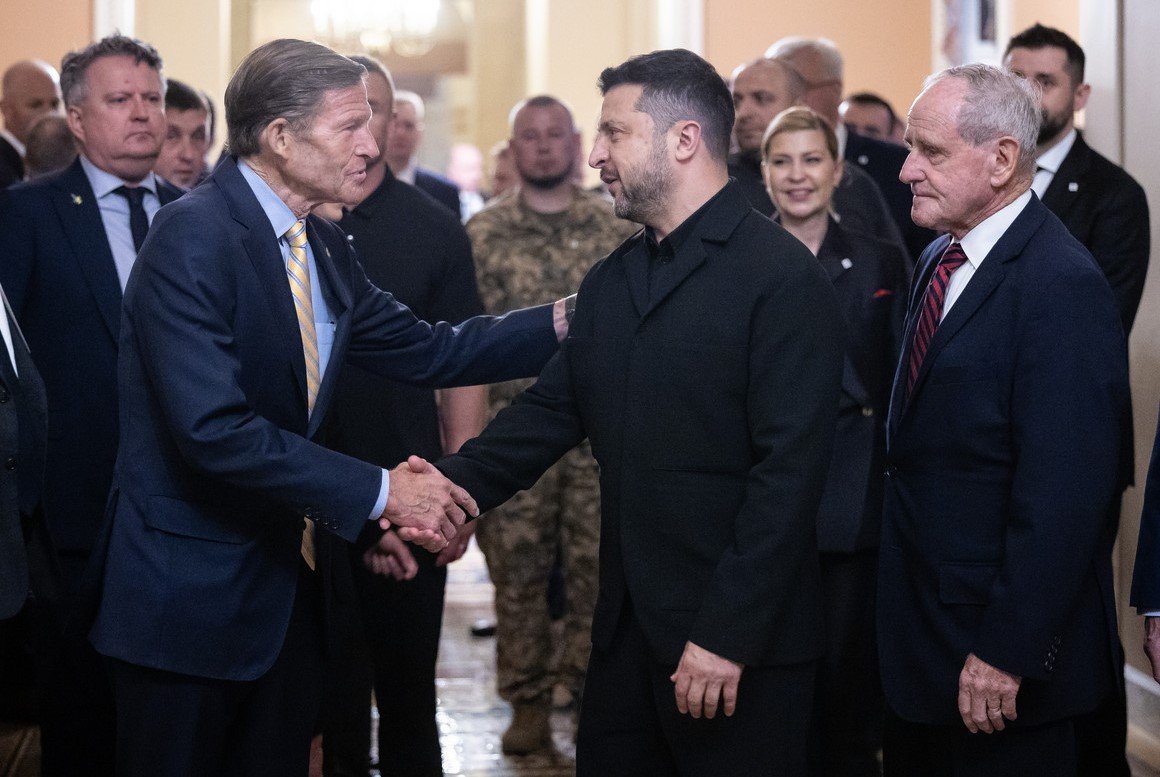
The vote followed Ukrainian President Volodymyr Zelenskyy’s recent visit to the US Capitol, where he held discussions with senators from both political parties on the war and Ukraine’s ongoing need for American support.
Senator Richard Blumenthal of Connecticut, who worked alongside the late Senator Lindsey Graham on the sanctions package, described the Senate’s action as an important signal of support for Ukraine and opposition to Putin’s ambitions.
The legislation represents one of the most significant congressional efforts during President Donald Trump’s second term to influence the course of the Russia-Ukraine war. Trump has indicated support for the package, which also contains sanctions targeting Iran.
Negotiations between Graham, Blumenthal and the White House on the legislation were completed on July 10, shortly before Graham died from an aortic tear.
Under the proposed measures, the president would have the authority to impose tariffs on major buyers of Russian oil, including China and India. The legislation also provides exemptions for certain countries that take steps to reduce their dependence on Russian energy.
In addition, the package includes sanctions targeting Russian political leaders and financial institutions, while expanding restrictions against older vessels allegedly used to circumvent existing sanctions.
The expanded tariff powers have, however, generated opposition among some lawmakers. Critics, including Democrats and Republicans, have raised concerns that the measures could contribute to inflation and impose additional costs on the US economy.
An amendment sponsored by Senators Rand Paul and Ron Wyden seeking to limit the president’s tariff authority was rejected.
Supporters of the legislation argue that the economic pressure is necessary to strengthen Ukraine’s position and encourage Russia to move toward negotiations.
Senator Todd Young of Indiana described the sanctions as an important demonstration of American support for Ukraine, while Senator Jeanne Shaheen of New Hampshire stressed the need to maintain pressure on Moscow to encourage progress toward peace.
Zelenskyy also expressed appreciation for the Senate’s support during his meetings with lawmakers and outlined Ukraine’s continuing needs as the conflict persists.
Ukraine’s Foreign Minister Andrii Sybiha welcomed the Senate vote, describing it as an important step toward achieving lasting peace through continued international support for Ukraine.
The legislation now faces further consideration as lawmakers debate the scope of the president’s tariff powers and the potential economic consequences of imposing additional pressure on Russia and countries that continue to trade with Moscow.
AP