


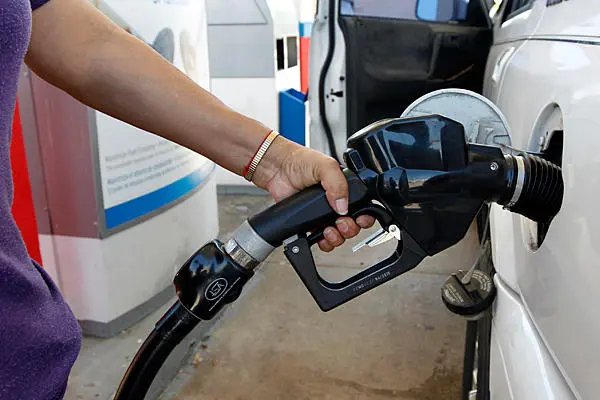
Mustapha Mohammed, speaking on Raypower FM’s Political Platform, discussed how rising petrol and diesel prices are putting additional pressure on transportation costs and the prices of goods across Nigeria.
Mohammed explained that when fuel prices rise, transporters spend more money moving products from one location to another. The additional expense can eventually affect the final prices consumers pay.
From rice and maize to tomatoes, onions and peppers, many essential food items travel long distances before reaching markets.

Livestock such as goats and cattle are also transported across the country. Higher fuel prices can therefore increase the cost of moving animals to different locations for sale or slaughter.
Northern Food Supplies Face Higher Transport Costs
A significant amount of agricultural produce consumed in southern and other parts of Nigeria comes from the northern region.
Mohammed noted that transporters moving these goods over long distances face higher fuel expenses whenever petrol or diesel prices increase.
The additional transportation cost can then move through the supply chain, affecting traders and ultimately consumers.
State Governments Have a Role
The discussion on Raypower FM’s Political Platform also highlighted the need for state governments to complement federal efforts aimed at reducing the impact of rising transportation costs.
While the Federal Government may introduce buses and other interventions, Mohammed argued that Nigeria’s size and population require broader solutions.
He said governors should use available resources to provide practical support for residents.
Such support could include affordable transportation schemes, skills development, access to capital and programs designed to help young people and women establish businesses.
Focus on Long-Term Economic Empowerment
Mohammed questioned whether temporary interventions alone can solve the economic challenges facing Nigerians.
He argued that governments should also focus on empowering citizens to become economically independent.
According to him, young people need marketable skills and access to financing, while small businesses need an environment that allows them to grow.
He said the objective should be to create sustainable opportunities rather than relying only on short-term relief measures.
Businesses Also Face Higher Costs
The discussion also touched on how businesses respond to fuel-price increases.
Businesses face higher transportation, production and operating costs when fuel prices rise. Some of these additional expenses may therefore be reflected in the prices of goods and services.
However, Mohammed called for greater responsibility from businesses when adjusting prices.
He also suggested that Nigerians should avoid taking unnecessary advantage of economic difficulties by imposing excessive increases on consumers.
A Shared Responsibility
Mohammed stressed that the cost-of-living challenge requires contributions from different levels of government and the private sector.
State governments, local authorities, businesses and other stakeholders all have roles to play.
While the Federal Government works on national policies, state governments can introduce transportation and economic-support programs that respond to local conditions.
Businesses can also contribute through responsible pricing and greater transparency.
The broader challenge is to ensure that Nigerians can continue to afford essential goods and services while governments work toward long-term economic stability.