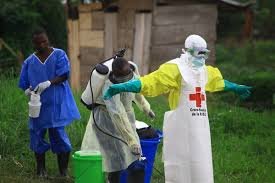



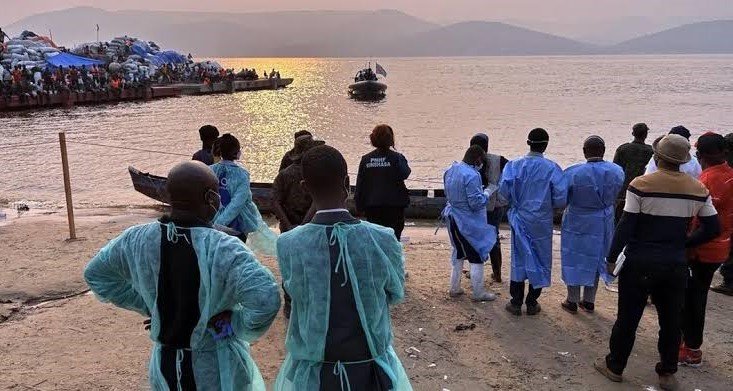
The Democratic Republic of Congo has recorded more than 7,000 Ebola cases in its latest outbreak.
Congolese authorities reported 7,022 cases since the epidemic began in mid-May.
The outbreak has killed 3,398 people, while 1,671 patients have recovered.

Despite the rising figures, the government says there are signs that the spread of the virus may have reached its peak.
Government reports decline in cases
Congolese government spokesman Patrick Muyaya said the outbreak reached its highest point in the third week of August.
He made the announcement on Saturday.
Muyaya said several indicators now show a decline in new infections.
He added that 10 of the 61 affected health zones had recorded no new cases for at least 21 days.
Health authorities will continue monitoring those areas to determine whether the decline can be sustained.
Ebola spreads to seventh province
The positive development comes as the virus continues to appear in new areas.
Ebola was recently confirmed in South-Ubangi province.
The province borders the Central African Republic and the Republic of Congo.
Its inclusion means the virus has now been detected in seven provinces during the current outbreak.
The spread has created additional challenges for health authorities.
Ituri remains the hardest-hit region
The outbreak began in northeastern Ituri province.
It later spread to other parts of eastern and northern DRC.
Many of these areas have suffered years of armed conflict.
The presence of government institutions is limited in some communities.
Health facilities are also scarce in several remote locations.
These conditions make disease surveillance, treatment and contact tracing more difficult.
Schools face fresh concerns
The return of students to school has created another challenge in Ituri.
Health officials have detected Ebola cases among schoolchildren.
The development has increased concern among parents and teachers in Bunia, the provincial capital.
Some parents fear that children could unknowingly carry the virus between homes and schools.
School authorities have introduced preventive measures.
These include mandatory handwashing with soap.
Officials have also limited classrooms to a maximum of 30 pupils in some schools.
Students are being encouraged to avoid unnecessary physical contact and wash their hands regularly.
How Ebola spreads
Ebola is a highly infectious disease.
It can spread through direct contact with the bodily fluids of an infected person.
The disease can cause severe illness and, in serious cases, organ failure and internal or external bleeding.
The current outbreak is linked to the Bundibugyo strain.
There is currently no approved vaccine or treatment specifically for this strain.
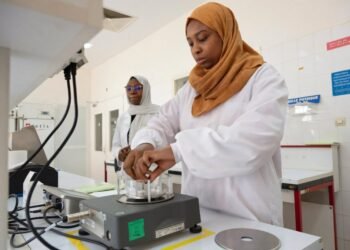
However, researchers are testing several potential vaccines and treatments.
Health authorities remain on alert
Although officials believe the outbreak may have peaked, the emergence of cases in a new province remains a concern.
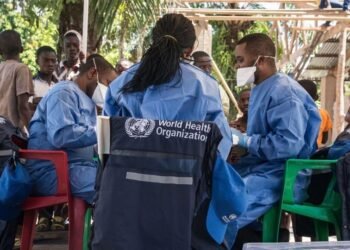
Health workers must continue surveillance and contact tracing.
They must also maintain strict infection-control measures in hospitals and schools.
For communities already affected by conflict and limited healthcare access, containing Ebola remains a major challenge.
The government will now be watching closely to determine whether the reported decline continues in the coming weeks.
Meta Description: The DRC has recorded 7,022 Ebola cases and 3,398 deaths, while officials say the outbreak may have peaked after cases began declining.
Focus Keyphrase: DRC Ebola outbreak
SEO Title: DRC Ebola Outbreak Tops 7,000 Cases as Spread May Have Peaked
Slug: drc-ebola-outbreak-7000-cases-spread-may-have-peaked
SEO Hashtags: