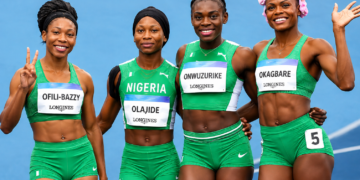







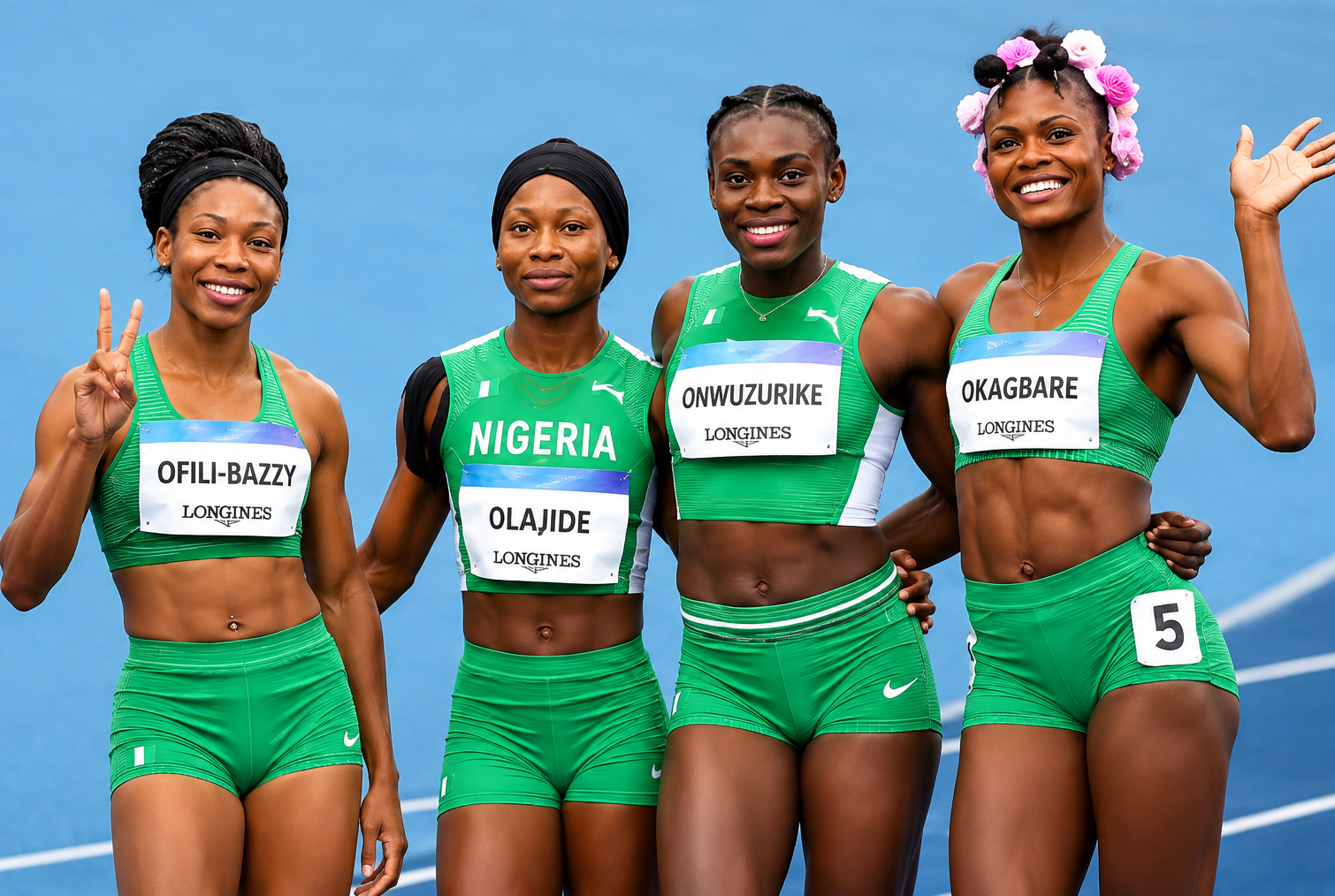
For every athlete, a medal represents far more than its weight in metal—it embodies years of sacrifice, relentless training, and the hopes of an entire nation. For Team Nigeria, the 2026 Commonwealth Games in Glasgow, Scotland, provided the perfect stage to showcase the country’s exceptional sporting talent and unwavering resilience.
After ten days of fierce competition, Nigeria produced one of its finest performances in Commonwealth Games history, finishing seventh overall on the medals table and emerging as Africa’s highest-ranked nation.
The Nigerian contingent returned home with 24 medals—10 gold, seven silver, and seven bronze—accounting for almost half of the 22 gold medals won by African countries at the Games.
Record-Breaking Performances
Nigeria’s campaign was highlighted by several historic achievements as athletes broke Games records, national records, and personal bests.
Weightlifter Folashade Lawal Rafiatu delivered one of the standout performances of the Games, rewriting the record books in the women’s 58kg event. The reigning 2025 World Championship silver medallist established new Commonwealth and Games records with a 103kg Snatch before sealing the gold medal with another dominant display in the Clean & Jerk.
On the athletics track, Ezekiel Nathaniel became the first Nigerian to win the men’s 400m hurdles at the Commonwealth Games after producing a memorable gold-medal performance.
Nigeria’s success continued when Samuel Ogazi stormed to victory in the men’s 400m, setting a new Games record with a blistering time of 44.25 seconds.
In the field events, Chukwuebuka Enekwechi secured Nigeria’s first-ever Commonwealth Games gold medal in the men’s shot put, while Temitope Adeshina claimed bronze in the women’s high jump with a leap of 1.90 metres.
Adeshina’s achievement marked Nigeria’s first Commonwealth Games medal in the high jump since Samuel Igun won silver at the 1966 Games in Kingston, Jamaica.
Rewarding Excellence
The team’s remarkable performance was further boosted by the National Sports Commission (NSC), whose leadership had pledged immediate financial rewards for medal-winning athletes.
Led by Chairman Shehu Dikko and Director-General Bukola Olopade, the commission fulfilled the Federal Government’s promise by presenting cash rewards shortly after each podium finish.
Gold medallists received $10,000, silver medallists earned $5,000, while bronze winners were rewarded with $3,000. Athletes who broke Games records also received an additional $5,000 performance bonus.
The NSC commended the athletes for their commitment and also recognised the efforts of coaches, medical personnel, technical officials, sports federations, support staff, partners and fans who contributed to Nigeria’s success.
Presidential Commendation
Nigeria’s outstanding performance attracted praise from President Bola Tinubu, who congratulated Team Nigeria for representing the country with distinction.
In a statement issued through his spokesman, the President described the athletes’ achievements as a source of national pride and applauded everyone who contributed to the team’s success.
President Tinubu also reaffirmed his administration’s commitment to sports development, promising sustained investment in athlete development programmes, modern training facilities, sporting institutions and talent discovery initiatives.
A Legacy Beyond Medals
As the curtain falls on Glasgow 2026, Team Nigeria leaves Scotland with more than medals and records.
The country’s impressive 24-medal haul serves as a powerful reminder of what Nigerian athletes can achieve when talent is matched with adequate support, preparation and belief.
For millions of Nigerians at home and across the diaspora, Glasgow 2026 will be remembered not only for podium finishes but also as another defining chapter in the nation’s sporting history—one that demonstrated the enduring strength, resilience and limitless potential of Nigerian athletes.