






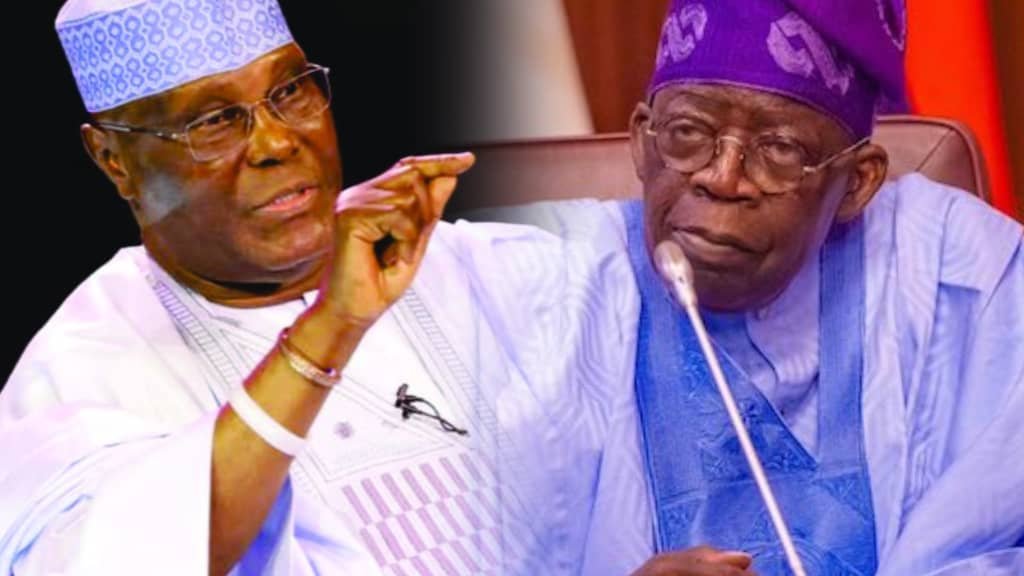
The All Progressives Congress (APC) has renewed its defence of President Bola Tinubu’s decision to remove the petrol subsidy, arguing that the policy was necessary to reduce pressure on Nigeria’s finances and free up resources for development.
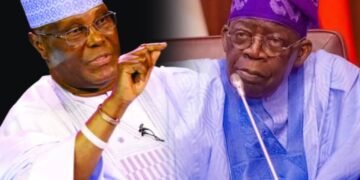
The party’s latest defence followed former Vice President Atiku Abubakar’s call for the possible restoration of the subsidy ahead of the 2027 general elections.
Speaking at the APC Professionals Forum’s second Policy Roundtable in Abuja, APC National Chairman Prof. Nentawe Yilwatda, who represented President Tinubu, said the administration inherited a difficult economic situation when it took office in May 2023.
Yilwatda listed fuel subsidy distortions, multiple foreign exchange windows, inadequate revenue collection, foreign exchange shortages, increasing debt-service obligations and years of insufficient infrastructure investment among the challenges facing the country.
He maintained that the reforms introduced by the Tinubu administration were aimed at correcting these structural problems.
According to him, the government’s economic programme is already producing improvements in several areas.
He cited Nigeria’s gross external reserves, which he said stood at approximately $52.7 billion by August 2026.
The APC chairman also said consolidated non-oil revenue increased from about N13.63 trillion in 2023 to N16.4 trillion during the first two quarters of 2026.
Nigeria’s trade position was another indicator highlighted by the party. Yilwatda said the country recorded a merchandise trade surplus of approximately N7.54 trillion in the first quarter of 2026, compared with about N44.8 billion for the whole of 2023.
He also pointed to real GDP growth of 4.43 per cent in the second quarter and a decline in inflation to approximately 15.4 per cent.
Yilwatda linked the reforms to the government’s ambition of building a $1 trillion economy by 2030, saying resources were being redirected towards infrastructure, energy, education, transportation and other productive areas.
Former Governor Backs Reform
Former Bauchi State Governor and Chairman of the Board of Trustees of the APC Professionals Forum, Dr Isa Yuguda, also defended the removal of the subsidy.
Drawing from his experience as chairman of the Fuel Subsidy Task Force in 2009, Yuguda said the previous subsidy arrangement had been affected by what he described as irregularities and financial leakages.
He argued that significant public funds had been consumed by the system instead of being directed towards healthcare, education, agriculture, security and infrastructure.
Yuguda estimated that subsidy removal had created savings of more than N15 trillion.
He consequently warned against returning to the former arrangement without first resolving the problems he associated with it.
The debate has become increasingly important as political parties position themselves ahead of the 2027 election.
While the APC argues that subsidy removal has strengthened government finances, critics maintain that the reform has placed considerable pressure on households through higher transportation and living costs.
The key challenge for the Tinubu administration will now be demonstrating that the fiscal benefits it attributes to the reform can translate into better living standards and tangible economic opportunities for Nigerians.