






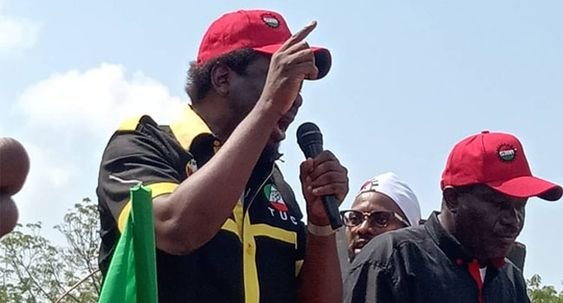
Eighty-eight years after trade unions were legally recognized in Nigeria, labor leaders are increasingly worried about the deteriorating economic situation faced by workers. They remarked that escalating inflation and the cost of living have significantly diminished workers’ earnings.
These concerns were highlighted on Friday during the Nigeria Rights of Workers Summit 2026 in Birnin Kebbi, Kebbi State, marking 88 years of labor organization and trade unionism in Nigeria.
Under the theme “The Rights of Workers: Decent Work and a Just Economy in Nigeria,” the summit united labor leaders, government officials, workers, employers, civil society organizations, and members of the National Industrial Court. They gathered to evaluate the current status of workers’ rights and welfare in Nigeria.
Participants engaged in discussions about workers’ pay across the country’s 36 states, local governments, and the private sector. They voiced worries about inflation, increasing living costs, workplace safety, discrimination, job insecurity, and the protection of casual and other non-traditional workers.
Representing the President of the Nigeria Labour Congress, Joe Ajaero, the Deputy President of the NLC, Adewale Adeyanju (Amba), pointed to the national minimum wage as a significant issue for Nigerian workers. He explained that the current ₦70,000 minimum wage no longer suffices due to economic challenges, making it tough for workers to cover basic necessities.
Amba emphasized that renewing the existing wage agreement is crucial, advocating for new negotiations with federal and state governments to consider a wage increase aligned with current economic conditions.
Ekpa Stanley, the convener of the summit and Executive Director of Call a Lawyer, noted that the event aimed not just to celebrate the history of trade unionism in Nigeria but also to critically assess achievements and ongoing challenges.
“This summit isn’t only about marking 88 years of trade unionism; it’s an opportunity to reflect on past achievements, ongoing challenges, and necessary steps to secure decent work for Nigerian workers,” he stated.
Ayuba Wabba, former President of the Nigeria Labour Congress, highlighted that decent work involves more than just salary increments. He stressed the importance of workers’ rights, social protection, and meaningful dialogue.
“Decent work encompasses not only wages but also workers’ rights, social protection, and effective dialogue among workers, employers, and government,” Wabba asserted.
He urged stakeholders to put policies in place that ensure workers’ dignity, job security, and sufficient social protection, particularly given the current economic strain on households.
Kebbi State Governor Nasir Idris also addressed the summit, promising that his administration would adopt any new national minimum wage agreed upon by the Federal Government.