






Niger’s military authorities have appointed new senior commanders in the country’s armed forces, about two weeks after an alleged mutiny was foiled in the capital, Niamey.
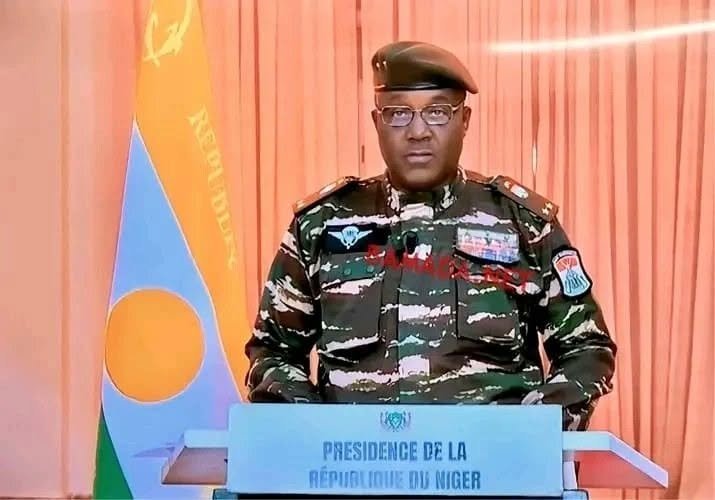
The changes come amid growing security challenges and internal tensions within the military government led by General Abdulrahmane Tiani.
State television announced on Friday that Brigadier General Mamane Sani Kiaou had been appointed Chief of Defence Staff.
It also announced the appointment of Brigadier General Abdourahmane Abou Zataka as Chief of Staff of the Army.
The appointments were announced by Abari Amitti, Director of the public broadcaster Télé Sahel.
Changes Follow Reported Mutiny
The leadership changes come shortly after disgruntled soldiers reportedly attacked strategic locations in Niamey in an attempt to challenge the military authorities.
The attempted uprising was eventually contained by government forces, with support from Russian paramilitary personnel, according to reports.
The incident has raised questions about the level of cohesion within Niger’s military establishment as the junta continues to face serious security pressures.
Niger Turns to Russia
General Tiani seized power in a 2023 military coup that removed President Mohamed Bazoum from office.
Following the coup, Niger dramatically changed its foreign and security partnerships.
The junta moved away from longstanding military cooperation with Western countries and strengthened its relationship with Russia, including security cooperation.
The shift has transformed Niger’s role in the wider Sahel region, where military governments in several countries have reduced their dependence on traditional Western allies.
Militants Continue to Threaten Security
Niger continues to battle armed militant groups operating in parts of the country.
Frequent attacks and the deaths of security personnel have placed additional pressure on the military authorities.
The persistent violence has also reportedly contributed to frustration within the armed forces.
The latest appointments therefore come at a sensitive period for Niger’s military government, which must simultaneously maintain internal stability and confront the country’s worsening security situation.