



Americans are heading to the polls in midterm elections that could shape the final two years of President Donald Trump’s second term and determine control of Congress.
The elections come at a challenging time for Trump and the Republican Party, with voters expressing widespread concern over the cost of living and rising prices of essential goods.
Food and fuel costs have become major campaign issues, with Trump’s tariff policies and the ongoing war with Iran contributing to economic concerns, according to the BBC report.
Trump Makes Final Campaign Push
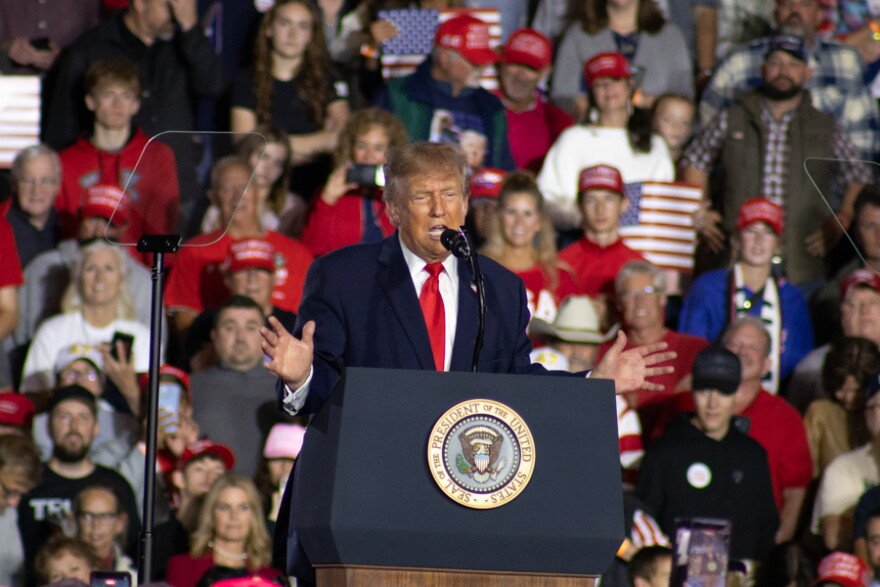
Trump has campaigned extensively for Republican candidates, holding rallies across the country in the final weeks before the vote.
On Monday, he delivered his closing campaign speech near Washington’s Reflecting Pool, where he acknowledged that Republicans had made a strong effort during the campaign.
He also urged voters to treat the election as a referendum on his presidency, telling supporters at previous rallies to imagine that he was personally on the ballot.
Although Trump is not a candidate in the midterms, his influence over Republican voters and the party’s electoral prospects remains a central issue.
Republicans Face Competitive Races
The Republican Party has invested heavily in races in states traditionally considered safe, including Kansas, where the Senate contest has drawn substantial campaign advertising spending.
Carrie Dann, managing editor of the Cook Political Report, told the BBC that the scale of spending in Kansas suggested Republicans were concerned about the competitiveness of the race.
The campaign activity points to a difficult electoral environment for Republicans as they seek to retain control of Congress.
Economic Concerns Dominate Campaign
The cost of living has emerged as a key concern for voters across party lines.
The BBC reported that diesel prices rose from $3.75 per gallon before the war with Iran began in February to $6.52 in September.
With economic pressures shaping voter priorities, the election results could provide a significant indication of public sentiment toward Trump’s leadership and the direction of his presidency.