


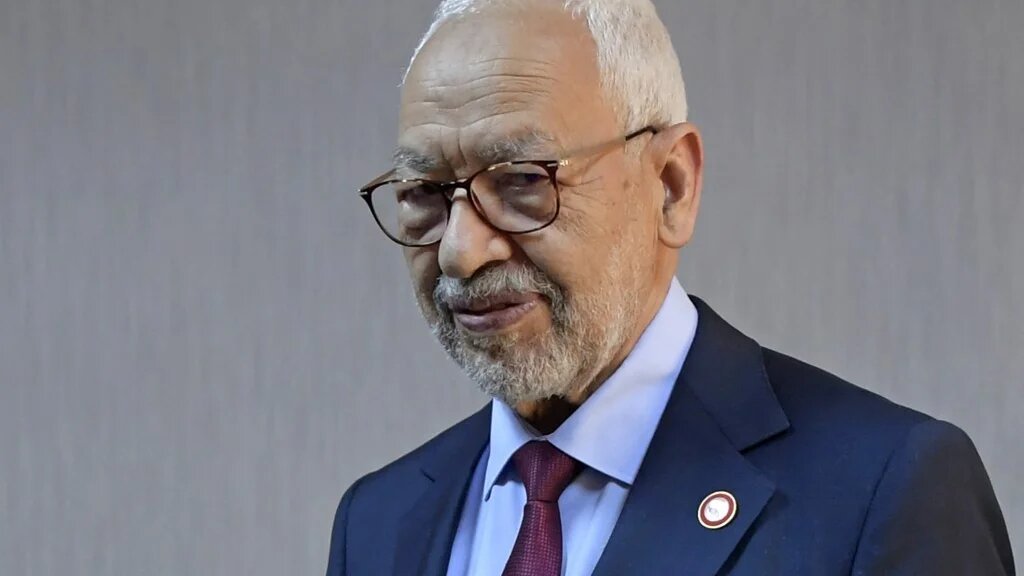
Lawyers for Tunisia’s jailed opposition leader, Rached Ghannouchi, have raised serious concerns about his worsening health. They assert that the veteran politician, now in critical condition, urgently needs specialized medical care. Ghannouchi‘s legal team reports a significant health decline for the 85-year-old Ennahda movement leader while in custody.

They claim that poor prison conditions and limited access to medical treatment have exacerbated his situation, leading to renewed demands for his immediate transfer to a specialized healthcare facility. Human rights organizations are also pressuring Tunisian authorities to ensure he receives proper medical attention in line with international standards.
Detained since April 2023 on charges of alleged incitement and conspiracy against state security, Ghannouchi’s case is said by Tunisian authorities to be proceeding independently and within legal frameworks, dismissing claims of political agendas. However, his lawyers argue that the prosecution is part of a larger crackdown on political opponents, journalists, lawyers, and civil society figures following President Kais Saied’s consolidation of power in 2021.
They highlight that Ghannouchi’s ongoing detention, given his age and declining health, presents significant humanitarian and human rights issues. The recent health concerns have brought renewed global focus on Tunisia’s political climate, with several international rights groups urging the government to respect due process and ensure detainees’ health and welfare.
These groups advocate for unrestricted medical access for Ghannouchi during legal proceedings. The Tunisian government has continued to defend its approach, maintaining that defendants are treated lawfully and that the judiciary remains independent from political influence. At the time of this report, Tunisian authorities had not publicly addressed the lawyers’ latest statements about Ghannouchi’s medical condition.
Analysts suggest these developments could heighten international scrutiny of Tunisia’s human rights practices and its treatment of opposition figures amid ongoing political tensions in the country.