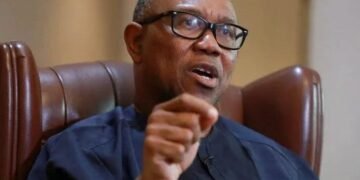







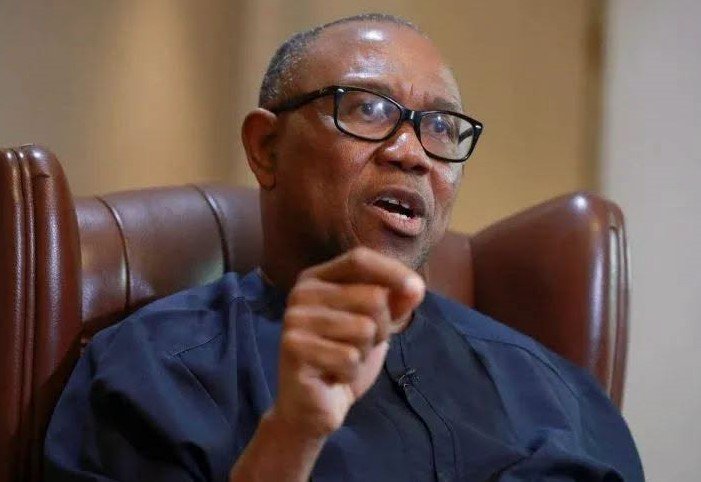
Peter Obi, presidential candidate of the National Democratic Congress (NDC) for the 2027 election, says he would retain the floating exchange-rate policy introduced under President Bola Ahmed Tinubu if elected.
Obi made the position known during an interview on Arise TV on Thursday.
Asked to identify one policy of the Tinubu administration that he would maintain, the former Anambra State governor pointed to the floating of the naira.
“There’s one – the floating of the Naira,” Obi said.
However, he stressed that keeping the policy would not mean simply accepting the current performance of the currency.
According to him, his priority would be to increase productivity and strengthen the economy so that the naira would become more valuable to Nigerians.
Obi also warned Nigerians against allowing tribal considerations to influence their decisions during the 2027 presidential election.
“Our election should not be driven by tribalism,” he said.
The naira floating policy was introduced in June 2023 as part of the Federal Government’s broader foreign exchange reforms. The Central Bank of Nigeria removed restrictions around the Investors and Exporters window, allowing market forces to play a greater role in determining the exchange rate.
The reform effectively brought an end to the previous system of multiple exchange rates.
However, the policy was followed by a significant decline in the value of the naira against the US dollar, contributing to intense debate over the direction of Nigeria’s economic reforms.
While critics have raised concerns about the impact of the exchange-rate changes on businesses and households, supporters have argued that the reform was necessary to address distortions in the foreign exchange market and improve transparency.
Obi’s position suggests that his administration would maintain the floating exchange-rate framework while attempting to improve the economic fundamentals supporting the currency.
He has consistently advocated greater emphasis on production, exports, investment and domestic economic capacity rather than excessive dependence on imports and consumption.
With the 2027 presidential election approaching, economic issues such as inflation, exchange-rate stability, job creation, productivity and the cost of living are expected to remain major campaign issues.