


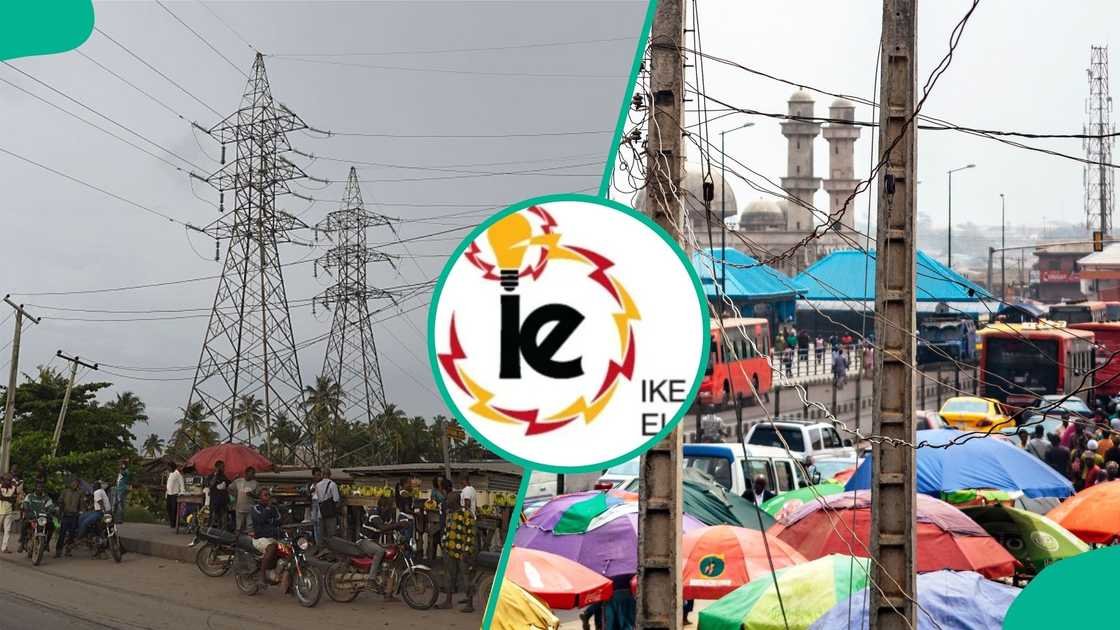
For years, residents under Ikeja Electric’s coverage have endured a troubling pattern: epileptic power supply, inflated estimated bills, and a customer service system that seems designed to frustrate rather than assist. It is time this conversation moved from private grumbling to public reckoning.

The company’s core mandate is simple — generate reliable revenue by delivering reliable electricity. Yet for many households and small businesses, the lights barely stay on long enough to justify the bills that follow. Customers routinely report paying for power they never received, with little recourse when they raise complaints. Calls go unanswered, complaint centres are slow to respond, and resolution, when it comes at all, takes far longer than it should.
Equally troubling is the company’s apparent disregard for the terms of its operating agreement with government regulators. Distribution companies are expected to maintain transparent, responsive relationships with the communities they serve. Instead, what many residents experience is the opposite: decisions made unilaterally, with no prior notice or consultation.
A particularly common grievance illustrates this well. When a transformer serving a neighbourhood breaks down, residents expect the distribution company, whose responsibility it is, to repair or replace it in a timely manner. Instead, many communities report being left in darkness for extended periods, only to eventually be asked to raise money themselves to fund repairs the company should ordinarily provide. This shifts an infrastructural burden onto already-paying customers, effectively making them pay twice: once through their bills, and again out of pocket for basic upkeep.
This is not a sustainable relationship between a utility and the public it serves. Regulatory bodies exist precisely to hold distribution companies accountable to their service agreements, and it is worth asking whether enforcement has been rigorous enough. Nigerians are not asking for perfection; they are asking for the basic terms of a contract, power in exchange for payment, to be honoured.
Until Ikeja Electric addresses these recurring failures, better communication, faster response times, fairer billing, and genuine investment in infrastructure, public trust will continue to erode. But the burden of accountability should not rest on the company alone.
The Nigerian Electricity Regulatory Commission, NERC, must move beyond issuing guidelines and start enforcing them. Distribution companies that fail to meet service obligations, that leave communities without power for weeks while still billing them, that push infrastructure costs onto customers, should face real, public consequences: fines, suspension of licences, or mandatory compensation to affected communities. Anything less signals to every DisCo in the country that non-performance carries no cost.
The government, too, must recognise that electricity is not a favour extended to citizens; it is a basic service tied directly to economic productivity, security, and quality of life. If Ikeja Electric cannot meet its obligations under the terms it agreed to, then regulators must be willing to revisit that agreement, and Nigerians deserve to know exactly what is being done about it, and by when.
The time for warnings has passed. What is needed now is enforcement.