


The Government of Ghana has given the green light to extend the presidential term from four to five years, as part of a broader constitutional reform effort to enhance governance and improve policy implementation.
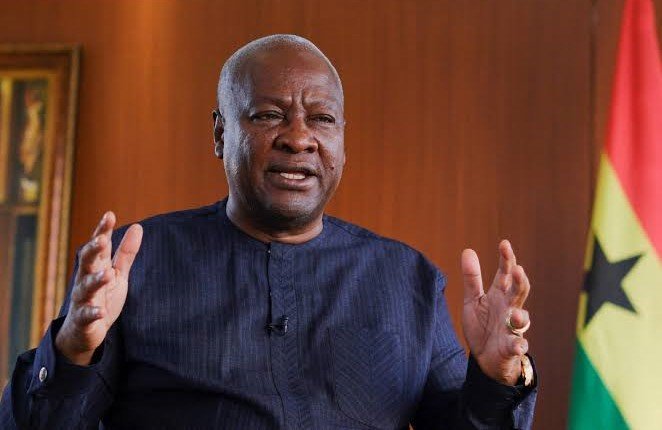
This decision comes on the heels of recommendations from a constitutional review committee established by President John Dramani Mahama last year to assess pivotal aspects of the country’s 1992 Constitution.
The proposed changes also include extending Parliament’s term from four to five years, ensuring that both the executive and legislative branches serve concurrent terms.

Government representatives argue that this extension will grant administrations more time to roll out development programs, noting that elections and political transitions currently consume a significant portion of the four-year term.
Additionally, the government has accepted a recommendation to lower the minimum age requirement for presidential candidates from 40 to 35 years, though it has turned down the proposal to further reduce it to 30.
Another key proposal backed by the government is to reschedule presidential elections to the first week of November, aiming to allow for a smoother transition period before inaugurating a new president on January 7.
All these proposed amendments, including the change in terms for the presidency and Parliament, need to clear Ghana’s legislative process before being presented in a national referendum anticipated in 2027.
For these changes to be enacted, at least 40 percent of registered voters must participate in the referendum, with a minimum of 75 percent of valid votes favoring the amendments.
If ratified, these reforms would represent one of the most significant constitutional shifts in Ghana since the 1992 Constitution was adopted.