


The UN delegation travelled to Kimoka on Friday, an area currently under the control of M23 rebels.
The visit focused on the conditions facing residents who are returning to communities affected by years of violence and displacement.
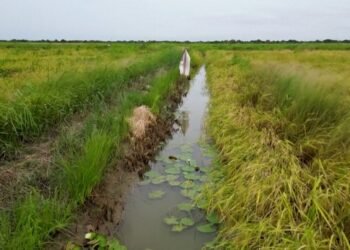
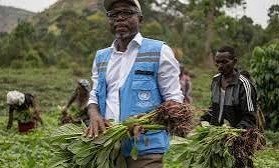
During the visit, the delegation met women working on farms, inspected their crops and listened to their concerns about the assistance they need to rebuild their livelihoods.

Farmers seek more support
Damien Mama, coordinator of UN humanitarian activities in the Democratic Republic of Congo, said the women identified livestock and access to farmland as important areas where additional support was needed.
He said such assistance could help returning families become more self-reliant and strengthen their ability to recover from the effects of the conflict.
The UN said thousands of people have returned to the Kimoka and Saké areas around Goma, the main city in North Kivu.
By February 4, 2025, an estimated 30,384 people, representing about 5,064 households, had returned to the two areas, according to humanitarian agencies.
Farming projects support displaced families
The United Nations also said more than 1,400 people, most of them women who previously lived in internally displaced persons’ camps, are benefiting from agricultural and socioeconomic reintegration programmes across villages in Masisi territory.
One of the beneficiaries, Sifa Asifiwe, received financial assistance through the UN Food and Agriculture Organization (FAO).
Recalling her experience, Asifiwe said the support provided an important lifeline during a difficult period.
The agricultural projects have also contributed to better access to food for families returning to their communities.
Some displaced residents said the health of their children has improved as household nutrition improved through crops produced by the women.
Thousands remain displaced
Despite the return of thousands of residents, the humanitarian situation remains difficult.
The UN estimates that about 95,000 displaced people are still living around Goma because of continued violence involving armed groups.
The region is also facing a serious public health challenge, adding another layer of difficulty for communities already affected by conflict and displacement.
Figures released this week by Congolese authorities put the number of reported Ebola cases at 7,022, with 3,398 deaths.
Humanitarian organisations continue to provide assistance as authorities and aid agencies respond to the combined challenges of displacement, food insecurity and disease.