



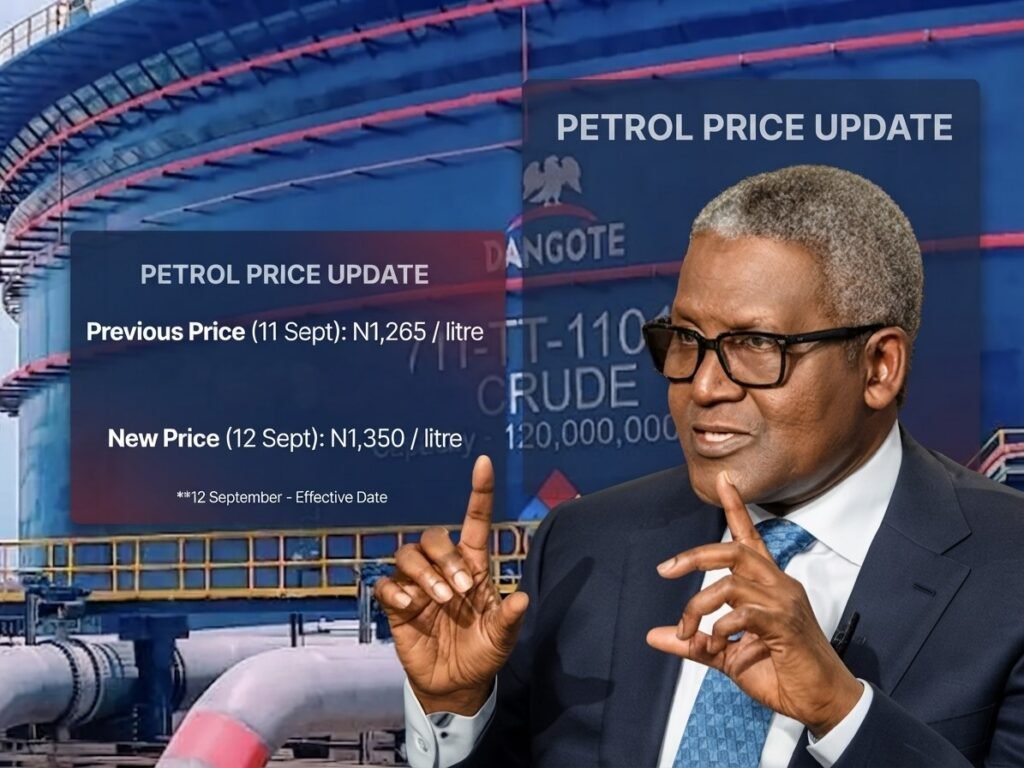
Nigerians are facing another increase in petrol prices, with some filling stations now selling a litre for between N1,400 and N1,500.
The latest increase has triggered fresh anger among consumers.
Many Nigerians have blamed the development on poor leadership. However, the immediate trigger is linked to a sharp rise in global oil prices following fresh instability in the Middle East.

Middle East Tensions Push Oil Prices Higher
Global oil prices jumped over the weekend after attacks disrupted energy infrastructure in Saudi Arabia.
Saudi Arabia shut down its East-West pipeline after a reported drone attack.
There were also reports of attacks on Saudi energy facilities and shipping activity around the Strait of Hormuz.
The developments raised fears of a major disruption to global oil supplies.
The East-West pipeline is particularly important because it can transport several million barrels of crude oil daily.
When traders fear that supplies could be disrupted, oil prices usually respond quickly.
Brent Crude Climbs Above $100
Brent crude rose sharply following the latest developments.
Prices moved above $100 per barrel, with Brent reaching around $107 to $108 at one point.
West Texas Intermediate, or WTI, also climbed above $100.
Analysts have warned that prices could rise further if the disruption continues.
That would put additional pressure on countries that depend heavily on international energy markets.
Why Nigeria Feels the Impact
Nigeria’s petrol market is closely connected to global oil prices.
The pump price is influenced by several factors.
These include the international price of crude oil, the naira exchange rate, refining costs, transportation and distribution expenses.
With petrol subsidies largely removed, changes in international market conditions can have a more direct effect on local prices.
Dangote Refinery reportedly increased its wholesale petrol price from N1,265 to N1,350 per litre on September 12.
Some filling stations subsequently adjusted their retail prices.
Why Brent Crude Matters
Brent crude is one of the world’s major oil price benchmarks.
It is widely used to price crude traded across Europe, Africa, the Middle East and other international markets.
Nigeria’s crude exports are therefore exposed to movements in the international oil market.
When global crude prices rise sharply, the cost of petroleum products can also come under pressure.
Is Leadership Completely Blameless?
The latest increase does not mean the Nigerian government has no responsibility.
However, it is important to separate the immediate cause from the country’s deeper energy problems.
Nigeria’s refining capacity declined over several decades.
That left the country heavily dependent on imported petroleum products.
The removal of fuel subsidies also created a new pricing environment.
At the same time, movements in the naira exchange rate can increase the cost of imported inputs and other energy-related expenses.
These are structural issues that governments must address.
What Nigerians Should Demand
Rather than focusing only on the latest price increase, consumers can demand clearer action from policymakers.
Transparency: Authorities and industry operators should explain how crude prices, refining costs, transportation, taxes and margins affect pump prices.
Accountability: Regulators should monitor the market and discourage unjustified price increases.
Consumer relief: Vulnerable households and small businesses need targeted support when energy costs rise sharply.
Domestic refining: Nigeria must continue expanding local refining capacity and improving fuel distribution.
The Bigger Lesson
The latest petrol price increase shows how vulnerable Nigeria remains to developments in the global oil market.
The immediate shock came from events outside Nigeria.
However, the country’s exposure to such shocks has been shaped by domestic policy decisions over many years.
That is where the bigger leadership question lies.
Nigeria may not be able to prevent a crisis in the Middle East.
But stronger domestic refining, better economic management and effective consumer protection can reduce the impact when the next global shock arrives.