


An Iraqi court has sentenced a butcher in Najaf to 10 years in prison for allegedly selling pork as beef.
The case has sparked widespread reactions across Iraq because it happened in Najaf, one of the most important holy cities in Shia Islam.
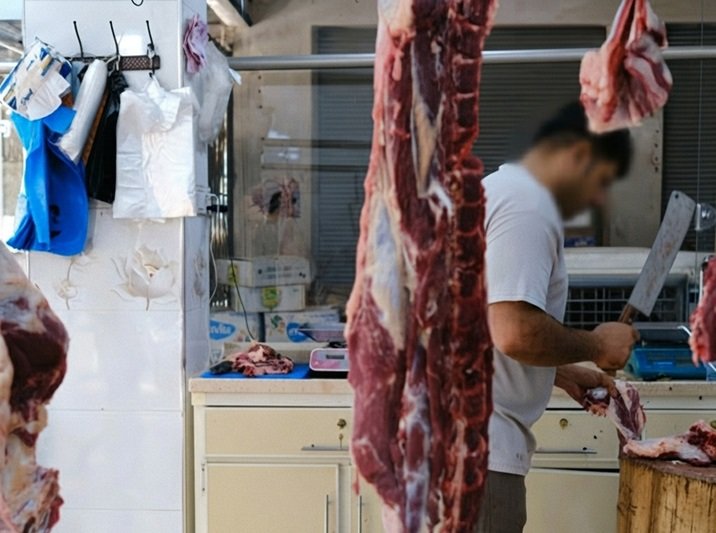
Authorities said the man was caught with 75 kilograms of pork that he was allegedly selling to customers as minced beef.

How the Case Began
The investigation reportedly started after customers raised concerns about unusually cheap minced meat.
The meat was also said to be of good quality.
Security officials began investigating the butcher shop in central Najaf.
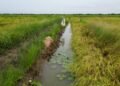
The inquiry allegedly led authorities to the shop owner, who was accused of hunting wild boar near Al-Hurriya marsh, close to Kufa.
Investigators said he then processed the meat and sold it as beef.
Arrest and Court Verdict
The butcher was arrested on September 9.
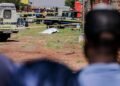
Footage shared online reportedly showed authorities at the scene, including slaughtered wild pigs.
The case was subsequently referred to the Najaf Criminal Court.
On September 14, Iraq’s Supreme Judicial Council announced the 10-year prison sentence.
The ruling was based on the sale of meat described as unfit for human consumption and the alleged deception of customers.
Is Selling Pork Illegal in Iraq?
The case has also raised questions about Iraqi law.
Contrary to claims spreading online, selling pork is not generally prohibited under Iraqi law.
The legal issue in this case was reportedly not simply the possession or sale of pork.
Instead, authorities prosecuted the butcher for allegedly passing one type of meat off as another and putting it into the food supply without customers’ knowledge.
The case involved a 1998 Revolutionary Command Council decision concerning the sale of meat considered unfit for human consumption.
Why Najaf Matters
Najaf has enormous religious significance for Shia Muslims.
The city is home to the shrine of Imam Ali and attracts millions of religious visitors.
Pork is prohibited under Islamic dietary rules.
As a result, the discovery that pork was allegedly being sold as beef caused particular outrage among residents.
Some customers also reacted with disbelief and humour on social media.
One customer reportedly told AFP that he had bought meat from the shop for years because of its low prices and quality.
Sadr Demands Tighter Inspections
The controversy also drew the attention of influential Shia cleric Muqtada al-Sadr.
Al-Sadr called for stricter inspections of markets, restaurants and butcher shops in Najaf.
His intervention added political and religious pressure to the case.
Food Safety Questions Remain
Beyond the unusual nature of the case, the incident has raised concerns about food safety.
Authorities are now facing questions about how the alleged meat substitution went undetected.
The case also raises concerns about the inspection of butcher shops and food markets.
It could prompt calls for stronger monitoring of meat supplies and clearer food-labelling rules.
A Wider Legal Question
The case has exposed a possible gap between existing legislation and modern food-safety challenges.
The law used in the prosecution dates back to 1998.
Some observers may now question whether Iraq needs more specific legislation covering food fraud and deliberate mislabelling.
For now, the Najaf case remains a striking example of how food fraud can become a major legal and social issue when it involves religiously prohibited products.