







A worsening electricity crisis has triggered angry demonstrations in The Gambia, forcing President Adama Barrow to announce urgent measures aimed at increasing power generation across the country.
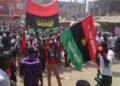
Protesters took to the streets in Banjul and neighbouring communities between Monday night and Tuesday, with reports of burning materials, blocked roads and chants demanding the president’s resignation.
Tensions were particularly high in the Westfield district, where police used tear gas as demonstrators moved towards the headquarters of NAWEC.
The protests followed months of electricity shortages that have become more severe during the hot season. In some communities, residents have reportedly endured blackouts lasting up to two days.
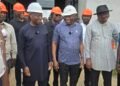
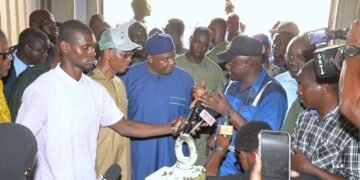
During a visit to a NAWEC facility in Brikama, Barrow described the electricity shortage as an emergency and a national security issue, signalling a more urgent government response to the crisis.
The president said an additional 24-megawatt generating unit was in the final stages of installation and would be commissioned by the end of October.
He further disclosed that work was expected to begin soon on a 50-megawatt solar power project in Soma after the government awarded the construction contract.
Barrow said the combination of the new generation capacity and other measures would lead to a noticeable improvement in electricity supply by the end of October.
The president’s announcement came after NAWEC previously blamed the blackouts on increased demand during periods of extreme heat and difficulties with imported electricity.
The corporation’s managing director, Gallo Saidy, later cited climate change and the effects of the conflict in the Middle East among factors contributing to the country’s electricity difficulties.
Saidy visited NAWEC installations in Brikama and Kotu after cancelling his scheduled appearance at a road inauguration, with both locations among those badly affected by the outages and protests.
Information Minister Ismaila Ceesay said the government understood the seriousness of the situation and was working urgently to restore more reliable electricity supplies.
The political implications of the crisis could be significant, coming only months before The Gambia’s December presidential election. Barrow is seeking a third term in office.
For many Gambians, however, the immediate concern remains access to dependable electricity during the country’s hot season.