


Lawyers for Niger’s ousted President Mohamed Bazoum have once again urged for his immediate and unconditional release as the nation observes three years since the military coup that overthrew his democratically elected government.

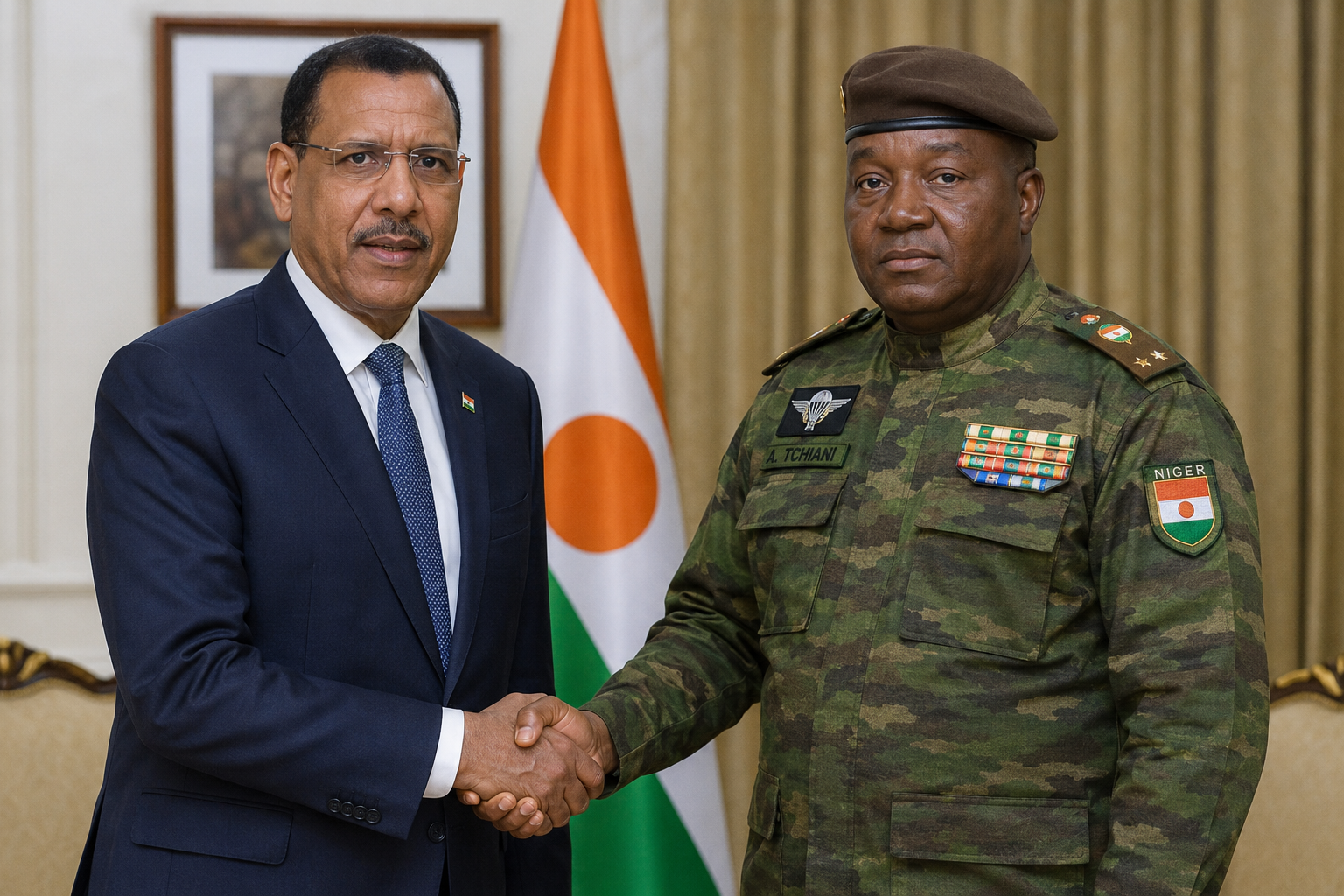
On July 26, 2023, the Presidential Guard, led by General Abdourahamane Tiani, took control in a coup. They detained Bazoum at the presidential palace in Niamey, dissolved constitutional institutions, and suspended the democratic order. Tiani subsequently announced himself as the head of the ruling military junta, the National Council for the Safeguard of the Homeland (CNSP).
Since the coup, Bazoum and his wife, Hadiza Bazoum, have been held at the presidential residence under heavy military guard. Initially placed under house arrest, they have lived in near-total isolation, with severely limited access to family, legal counsel, and the outside world. Human rights organizations and international bodies have repeatedly criticized their detention as arbitrary and in violation of international law.
To mark the third anniversary of the coup, Bazoum’s legal team issued a statement condemning his continued detention as unlawful. They argued there is no valid legal basis for his custody and urged military authorities to honor Niger’s Constitution and international human rights obligations.
The legal team also criticized the junta’s decision to revoke Bazoum’s presidential immunity in 2024 and charge him with offenses such as high treason and conspiracy against state security. They contend that the proceedings breached his right to a fair trial, as he was denied sufficient access to his lawyers and the chance to prepare his defense.
Despite recurring appeals from the Economic Community of West African States (ECOWAS), the United Nations, the African Union, and various human rights organizations, Bazoum remains detained. The UN Working Group on Arbitrary Detention has also called for his release, stating that his ongoing confinement breaches international human rights standards.
Rights advocates argue that Bazoum’s prolonged detention has become emblematic of Niger’s worsening human rights situation under military rule. They warn that ignoring court decisions and international calls could further isolate Niger diplomatically and jeopardize hopes for a return to democratic governance.
As Niger enters its fourth year under military rule, there is growing pressure on General Tiani’s government to release Bazoum, restore constitutional order, and initiate a transition back to civilian governance.