






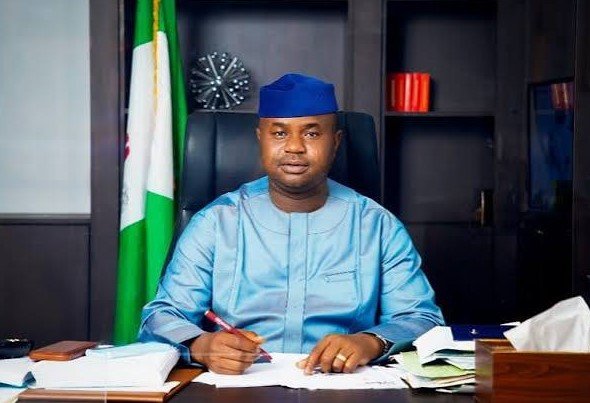
Zacch Adedeji, the Chairman of the Nigeria Revenue Service, praised the elimination of the petrol subsidy as a significant advancement for Nigeria.
He commended President Bola Tinubu for his decisive action, attributing much of the positive economic developments in the country to this decision. Adedeji described the subsidy as unsustainable and detrimental to Nigeria’s economy.
Adedeji observed that the subsidy system had persisted for many years, despite its negative impact. He highlighted that the encouraging outcomes now visible are tied to eliminating the subsidy, which he described as essential for advancing the nation.
Adedeji stated that President Tinubu inherited an economy weighed down by an unsustainable subsidy, a struggling oil sector, and a narrow tax base—difficult challenges that his administration has started tackling.
He contended that economic reforms should be assessed based on their merits rather than emotions, stressing the importance of these measures for restructuring the economy.
Adedeji downplayed criticism of the reforms, pointing out that the administration has implemented substantial changes to Nigeria’s economic structure that some critics might not yet fully grasp.
READ ALSO: Former SGF Babachir Lawal Speaks on Tinubu’s Leadership
He encouraged those considering challenging the Tinubu administration before the 2027 elections to clearly present their alternative strategies for addressing economic challenges.
Adedeji emphasized the importance of questioning whether critics oppose measures like removing fuel subsidies or unifying exchange rates.
The Chairman cautioned that keeping the subsidy in place could have added more pressure on Nigeria’s finances, particularly given the economic stress from global energy markets and geopolitical tensions. He noted that without reform, the subsidy cost might have escalated to ₦53 trillion, with exchange rates possibly reaching ₦3,500 per dollar.
On May 29, 2023, President Tinubu announced the removal of the petrol subsidy. This decision resulted in a sharp increase in petrol prices and had repercussions on transportation, food, and production costs. Despite enhancing government revenue and boosting allocations to various levels through the Federation Account, this policy remains a significant concern due to its effect on living expenses.