


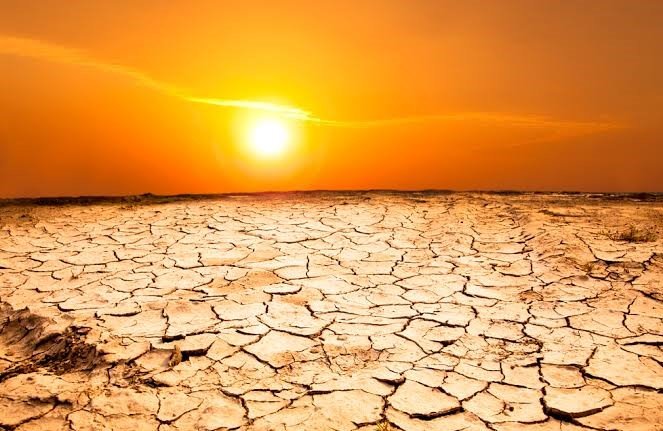
Egypt is grappling with an intense heatwave that is placing increasing pressure on workers, disrupting economic activities, and raising concerns about public health as temperatures soar across much of the country.

The extreme weather has particularly affected outdoor workers, including those in construction, agriculture, transportation, and other labor-intensive sectors, where prolonged exposure to high temperatures has reduced productivity and increased the risk of heat-related illnesses.
Businesses and industries have also felt the impact, with some employers adjusting working hours to protect staff from the hottest periods of the day. The soaring temperatures have driven up electricity demand as households and businesses rely heavily on air conditioning and cooling systems, placing additional strain on the national power grid.
Health authorities have advised residents to stay hydrated, avoid unnecessary outdoor activities during peak afternoon hours, and seek shade or air-conditioned spaces whenever possible. Medical experts warn that prolonged exposure to extreme heat can lead to dehydration, heat exhaustion, and potentially life-threatening heatstroke.
Economists say the prolonged heatwave could have broader implications for Egypt’s economy by affecting agricultural output, increasing energy consumption, and slowing productivity in key sectors that depend on outdoor labor.
Climate experts note that extreme weather events, including more frequent and prolonged heatwaves, are becoming increasingly common in many parts of the world. They stress the importance of investing in climate resilience, improving workplace safety measures, and strengthening public awareness to reduce the impact of rising temperatures.
As Egypt continues to battle the severe heat, authorities are urging citizens and employers to follow safety guidelines while monitoring weather forecasts and taking necessary precautions to protect lives and livelihoods.