



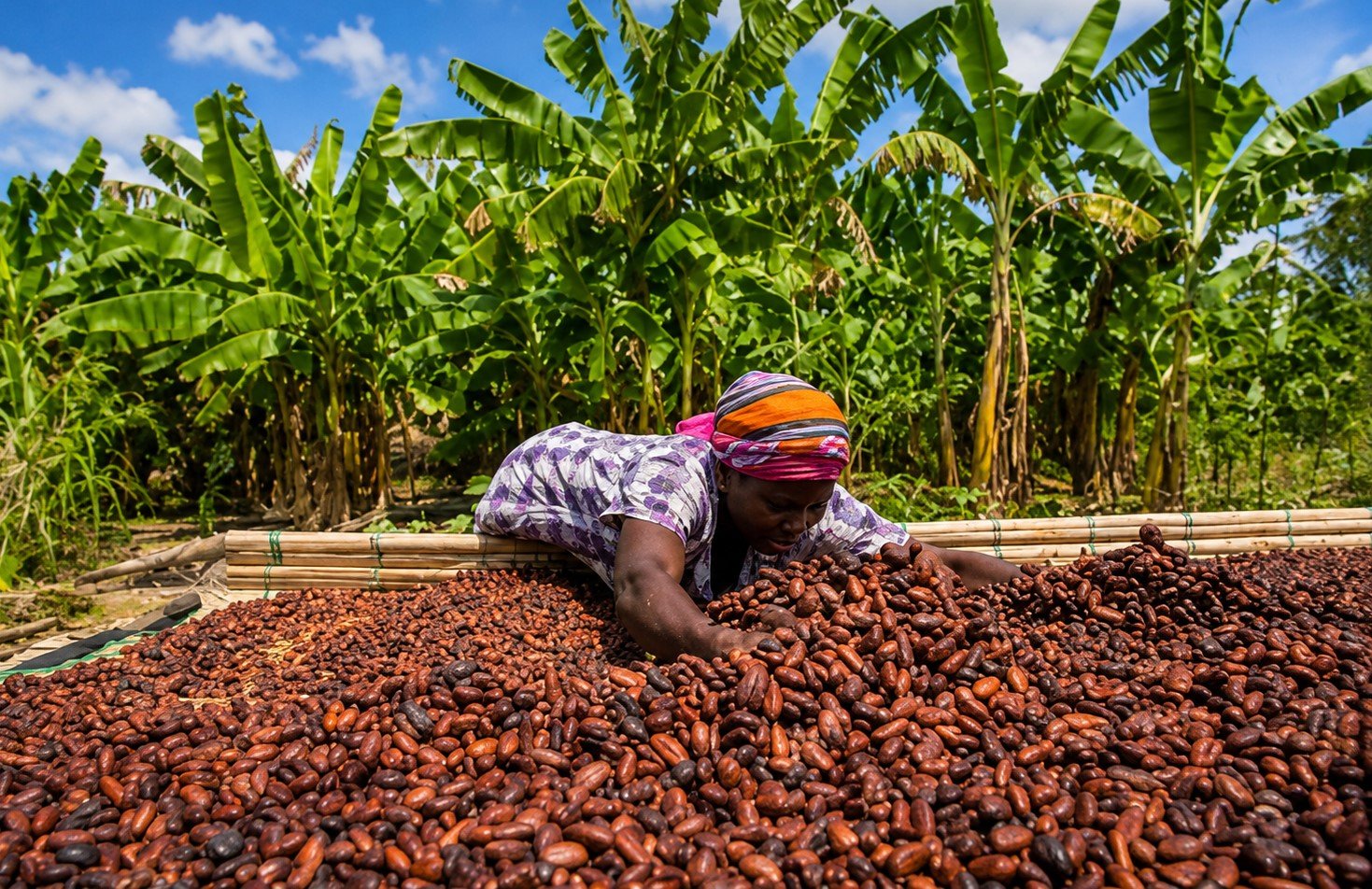
Ghana’s Parliament recently passed a bill introducing potential prison terms of up to 20 years for cocoa farmers who change the use of their cocoa farms without obtaining government consent.
The bill was approved on Thursday, though its details surfaced publicly only late Sunday when The Associated Press acquired a copy. The legislation is not yet in effect, pending the endorsement of President John Mahama.
Should this law be enacted, cocoa farms would be classified as protected agricultural assets, and repurposing them without official permission would be a criminal offense.

This proposal has raised concerns among cocoa farmers, who argue it places extra burdens on them without addressing the various challenges they face.
Moses Djan Asiedu, a cocoa farmer and administrator of the Ghana Cooperative Cocoa Farmers and Marketing Association Limited, criticized the proposal as unjust. He noted that farmers invest personal resources into acquiring land, clearing fields, and maintaining plantations long before they see any significant income.
READ ALSO: Ghana Mourns Death of Tallest Man at 33
He further argued that while the government treats cocoa as a strategic national asset, farmers receive minimal financial support to help with production costs. His stance is that if cocoa is considered a national asset, then the farmers should receive assistance to cover some production expenses.
The bill also proposes stricter penalties for illegal mining on cocoa farms. Offenders could face prison sentences ranging from 10 to 20 years and substantial fines for each cocoa tree destroyed.
Cocoa remains one of West Africa’s vital export commodities, supporting the livelihoods of numerous farming families. In neighboring Côte d’Ivoire, cocoa exports account for about 40 percent of total export earnings, whereas in Ghana, it contributes nearly 15 percent of the country’s export revenue.
To shield farmers from global market fluctuations, Ghana’s government sets cocoa bean prices at the start of each production season, and authorized buyers manage the marketing and export process. In 2024, global cocoa prices exhibited extreme volatility, with futures rising to over $12,000 per metric tonne before settling around $4,000 as worldwide supply improved and demand declined.