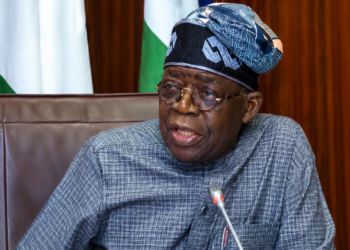



The Independent National Electoral Commission has published the final list of presidential candidates and running mates for Nigeria’s 2027 election, bringing the number of presidential tickets to 18.
The list was released on September 12, 2026, ahead of the presidential and National Assembly elections scheduled for January 16, 2027.
The publication includes candidates from 18 political parties and provides voters with the names that have been submitted for the presidential contest.

According to the published list, there are 16 male presidential candidates and two female candidates, while four of the vice-presidential nominees are women.
Full List of Presidential Candidates
| No. | Party | Presidential Candidate | Running Mate |
|---|---|---|---|
| 1 | APC | Bola Tinubu | Kashim Shettima |
| 2 | ADC | Atiku Abubakar | Chibuike Rotimi Amaechi |
| 3 | NDC | Peter Gregory Obi | Musa Mohammed Rabiu Kwankwaso |
| 4 | LP | Sunday Chibuzo Okereke | Hajja Bintu Konto |
| 5 | PDP | Sandy Ojang Onor | Umaru Babangida |
| 6 | AA | Rufai Adekunle Omo-Aje | Shehu Hussaini |
| 7 | ADP | Aliyu Abbas-Bin | Chinazam Ike |
| 8 | APP | Kabiru Yusuf | Peace Egobia Ofordile |
| 9 | AAC | Omoyele Sowore | Haruna Garba Magashi |
| 10 | APM | Oluseyi Abiodun Makinde | Musa Lawal Daura |
| 11 | BP | Sunday Adenuga | Usman Turaki Mustapha |
| 12 | DLA | Moses Olusoji Adebisi | Nafisat Usaku Abubakar |
| 13 | NDP | Ada Elizabeth Fredrick Okwori | Uchenna Anthony Chukwuemeka |
| 14 | NRM | Nkem Esther Okereke | Nasir Muhammed Sulaiman |
| 15 | PRP | Donald Duke | Kabiru Rabiu |
| 16 | SDP | Adewole Ebenezer Adebayo | Usman Muhammed Bugaje |
| 17 | YPP | Peter Ada Agada | Patience Ndidi Key |
| 18 | ZLP | Daniel Daberechukwu Nwanyanwu | Hassan Khalid |
The names above correspond with the final list reported from the INEC publication.
Two Women on the Presidential List
The final field includes two female presidential candidates.
They are Ada Elizabeth Fredrick Okwori of the National Democratic Party and Nkem Esther Okereke of the National Rescue Movement.
The list also includes four female vice-presidential candidates: Hajja Bintu Konto of the Labour Party, Peace Egobia Ofordile of the Allied Peoples Party, Nafisat Usaku Abubakar of the Democratic Leadership Alliance and Patience Ndidi Key of the Young Progressive Party.
A Field Spanning Different Political Backgrounds
The 18 tickets bring together candidates with different political and professional backgrounds.
The list includes the incumbent president, former vice president, serving governor, former governor, political activists and candidates from several smaller parties.
Among the better-known names on the list are Bola Tinubu, Atiku Abubakar, Peter Obi, Oluseyi Makinde, Donald Duke, Omoyele Sowore and Adewole Adebayo.
This means voters have a wide range of party platforms and political records to examine before the election.
What Voters Can Examine
The release of the final list provides an opportunity for Nigerians to move beyond speculation and examine the candidates using verifiable information.
Policies
Voters can compare what the different parties are proposing on:
- The economy
- Security
- Electricity
- Employment
- Education
- Healthcare
- Agriculture
- Infrastructure
- Taxation
- Public debt
Track Records
Where candidates have previously held public office, voters can examine their documented records in those positions.
This can include budgets, projects, legislation, appointments, official policies and other publicly available records.
Campaign Promises
Candidates will make numerous promises during the campaign.
Voters can ask:
What exactly is being promised?
How much will it cost?
Where will the money come from?
How will the government measure whether the promise has been delivered?
Running Mates
The vice-presidential candidates also form part of each ticket.
Their experience, qualifications, public records and policy positions can therefore be examined alongside those of the presidential candidates.
Voters Should Follow Official Election Information
INEC has advised Nigerians to rely on its official communication channels for accurate information about the electoral process. The Commission’s website currently identifies January 16, 2027 as the date for the presidential and National Assembly elections.
Political claims circulating on social media should therefore be checked against official documents and credible reporting before they are treated as fact.
The 2027 Race Enters a New Stage
With the final presidential list now published, the 2027 election has moved into a more defined phase.
The names are known. The parties are known. The next major task for voters is to examine the candidates’ policies, records and campaign commitments.
For Nigerians preparing to vote, reliable information, careful comparison and verification will remain important throughout the campaign period.