


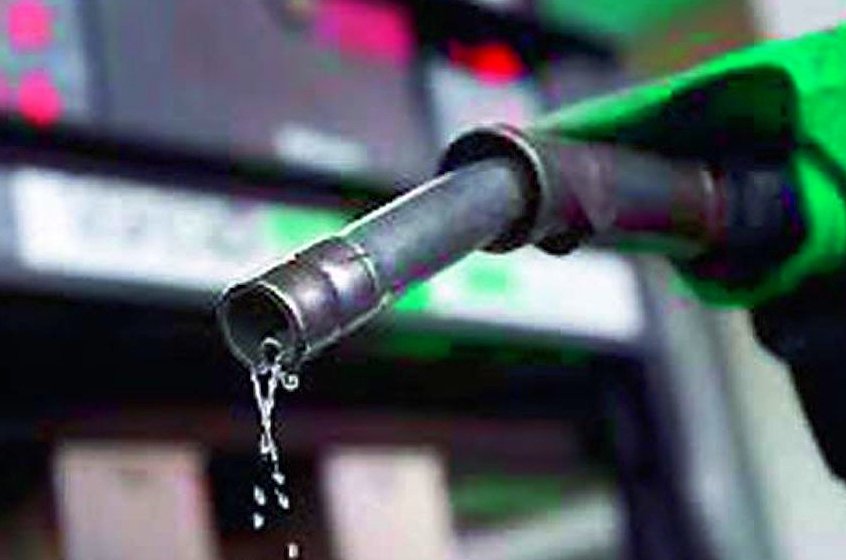
The price of petrol has climbed to as much as N1,500 per litre in several parts of Nigeria, adding to concerns over the rising cost of transportation and other essential goods.
The latest increase has been reported in states including Kano, Yobe, Sokoto, Borno, Taraba and Zamfara.
The development comes amid rising international crude oil prices linked to the ongoing conflict involving the United States and Iran. Brent crude recently moved above $100 per barrel, putting additional pressure on petroleum prices.

NLC Calls for Urgent Government Action
The Nigeria Labour Congress has called on the Federal Government to take immediate steps to reduce the impact of rising petrol prices on workers and households.
NLC President, Joe Ajaero, made the call in a statement issued on Wednesday.
The labour organisation said petrol was selling for around N1,430 per litre in major cities, with higher prices recorded in some less accessible areas.
The NLC warned that rising fuel costs could increase the prices of transportation, food, rent, school fees and other basic necessities.
It also called for reasonable wage awards for workers.
In addition, the labour centre urged the government to make crude oil available to local refineries through naira-based arrangements.
Petrol Sells for N1,500 in Several States
In Yobe State, motorists reported buying petrol for between N1,500 and N1,520 per litre in parts of Damaturu.
In Kano, prices were reported at between N1,460 and N1,500 per litre.
The increase has also affected commercial transport operators. Some tricycle operators in Kano have reportedly raised fares by about 50 per cent.
In Sokoto, petrol sold for between N1,465 and N1,500 per litre, compared with the previous price of about N1,365.
Meanwhile, motorists in Borno reported paying N1,500 per litre in Maiduguri.
Prices have also reached about N1,500 in Taraba and Zamfara, with some locations recording even higher prices.
Other States Also Affected
The increase is not limited to northern Nigeria.
Reports from Kaduna, Benue, Kogi, Plateau, Bauchi, Adamawa, Rivers, Abia, Imo, Delta, Bayelsa, Ekiti, Edo and Kwara also indicate higher petrol prices.
In Kaduna, petrol was being sold for as much as N1,450 per litre at some filling stations.
In Benue, prices ranged from about N1,430 to N1,470 per litre.
In Plateau State, motorists were paying between N1,450 and N1,470 per litre.
Meanwhile, some locations in Adamawa recorded prices as high as N1,850 per litre.
Dangote Refinery Raises Gantry Price
The latest increase follows a fresh adjustment by Dangote Petroleum Refinery.
The refinery raised its petrol gantry price from N1,265 to N1,350 per litre with effect from September 12, 2026.
The latest adjustment represents an N85 increase per litre.
The refinery has raised its petrol price several times in recent weeks. Its gantry price has increased by N185 since August 21, according to reports.
Marketers Warn of Further Increases
The Independent Petroleum Marketers Association of Nigeria has also called for government intervention.
IPMAN spokesperson Chinedu Ukadike said petrol prices could rise further if international crude oil prices remain elevated.
He suggested that Nigeria could supply domestic refineries with crude under a stable pricing arrangement.
According to him, such an arrangement could help local refineries plan production without immediately passing every international crude price movement to consumers.
NLC Raises Concern Over Market Control
The NLC has also expressed concern about the growing influence of Dangote Refinery in Nigeria’s petroleum market.
The labour organisation called for stronger competition and increased use of other local refining facilities.
It also urged the government to revive public refineries and improve domestic refining capacity.
For now, however, motorists and businesses across the country are facing higher fuel costs.
The latest increase is already putting additional pressure on transportation and household expenses.
Source: Reports from The PUNCH and statements attributed to the Nigeria Labour Congress and petroleum industry stakeholders.