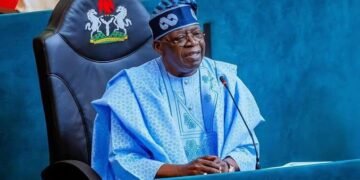







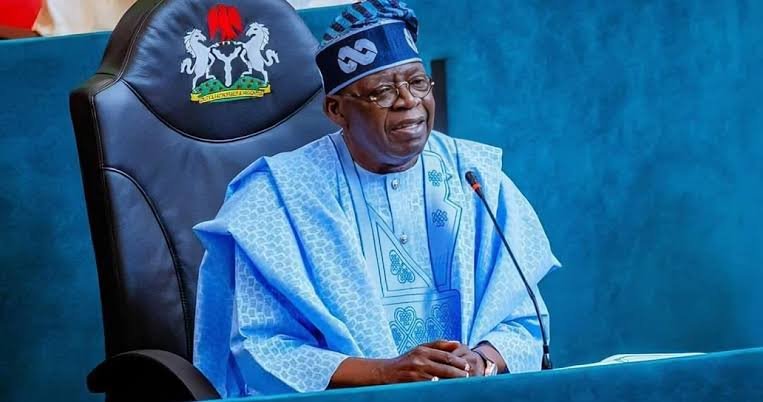
The All Progressives Congress (APC) Presidential Campaign Council has said that education reforms introduced under President Bola Ahmed Tinubu have helped return more than one million out-of-school children to learning.
The claim was made by APC Presidential Campaign Council spokesperson, Dele Alake, in a statement issued on Wednesday.
According to Alake, the reforms have also expanded access to education, improved teachers’ welfare and contributed to greater stability in the academic calendar across tertiary institutions.
He cited the Federal Ministry of Education’s Nigerian Education Sector Renewal Initiative (NESRI) 2026 report as the basis for the reported progress.
Federal Government Highlights ₦3.52 Trillion Education Allocation
Alake said the Federal Government allocated ₦3.52 trillion to education in the 2026 budget, describing it as a record allocation.
He also highlighted the $552 million HOPE-EDU programme, which is designed to support approximately 29 million children, more than 500,000 teachers and 65,000 public schools.
The programme is supported by the World Bank and the Global Partnership for Education and is intended to improve foundational learning, expand access to basic education and strengthen education systems.
BESDA and AGILE Programmes Feature in Education Reforms
According to the statement, the Better Education Service Delivery for All (BESDA) programme has returned more than one million out-of-school children to learning.
The report also cited the training of 1,400 Tsangaya teachers and the establishment of 200 bilingual centres across 17 northern states.
On girls’ education, Alake said the Adolescent Girls Initiative for Learning and Empowerment (AGILE) programme had reached 7.19 million girls, with 3.7 million enrolled in secondary schools.
He added that more than 10,000 schools had benefited from improved facilities.
Focus on Access and Quality of Education
The government’s education agenda covers basic and secondary education, technical and vocational training, and tertiary education.
The reported initiatives are aimed at increasing school enrolment, improving teaching standards and providing more opportunities for young Nigerians to acquire relevant skills.
However, the long-term impact of the reforms will depend on sustained implementation, transparent reporting and measurable improvements in learning outcomes across the country.