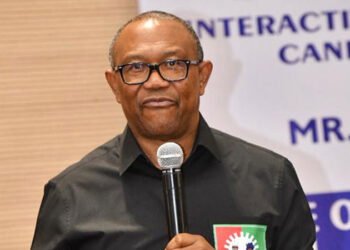



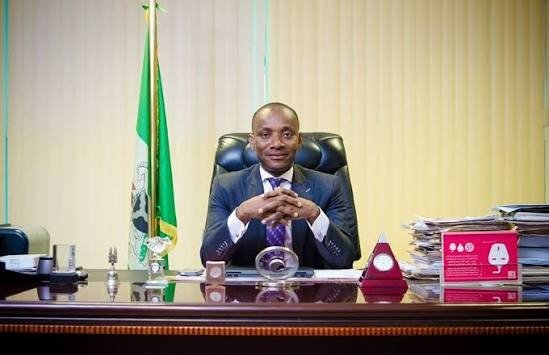
Former Chairman of the Nigerian Electricity Regulatory Commission (NERC), Dr. Sam Amadi, has defended Peter Obi’s pledge to serve only one term if elected president in 2027, criticizing Igbo leaders who argue that such a commitment would deny the South-East its full turn at the presidency.

Reacting to the criticism, Amadi said the debate should focus on the quality and effectiveness of governance rather than the length of time a president remains in office. He argued that Nigeria’s democratic system guarantees a four-year mandate in the first instance and that any leader should be judged by performance, not by the prospect of serving two terms.
Addressing concerns that a single-term presidency would shortchange the South-East, Amadi questioned the assumption that eight years in office automatically translates into meaningful development. He pointed to previous administrations, arguing that longer tenures have not always produced better governance or greater national progress.
According to Amadi, Obi’s promise reflects a commitment to national unity and democratic accountability rather than regional politics. He maintained that a determined administration could implement significant reforms within four years if it remained focused on delivering results.
The one-term pledge has generated mixed reactions within political circles, particularly among some Igbo stakeholders who believe that, if the South-East eventually produces a president, the region should have the opportunity to complete two constitutional terms, as has been the case with some past administrations.
Supporters of Obi, however, argue that the pledge demonstrates selflessness and could help build broader national consensus ahead of the 2027 general election, while critics insist it may weaken the South-East’s long-term political aspirations.
As preparations for the 2027 elections gather momentum, the debate over Obi’s proposed single-term presidency is expected to remain a prominent issue in discussions about zoning, power rotation, and the future of Nigeria’s political landscape.