


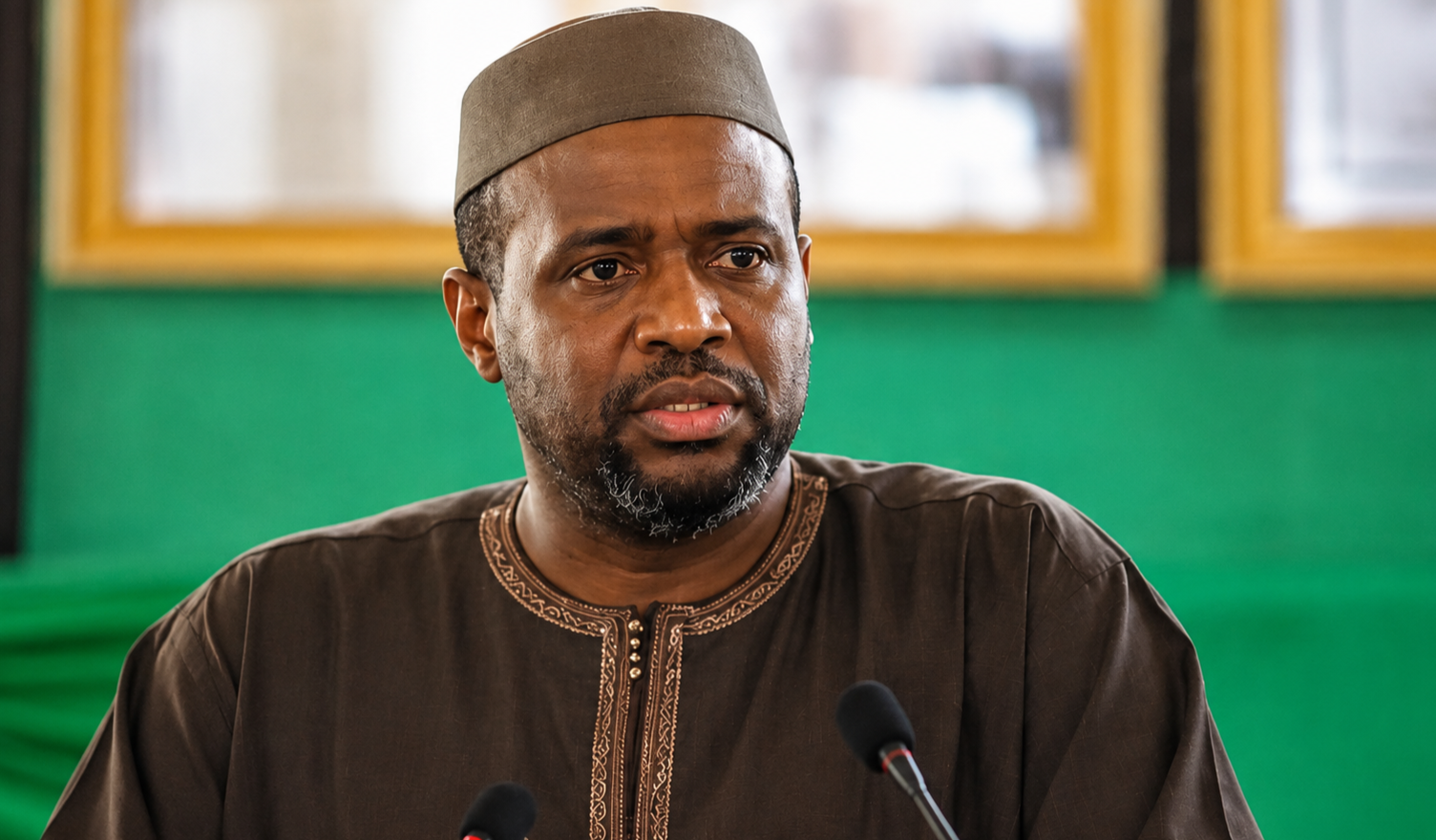
Former Malian Prime Minister Moussa Mara has called for national unity, reconciliation, and forgiveness after completing a one-year prison sentence.
In his initial public address following his release, Mara encouraged Malians to foster compassion, mend political rifts, and collaborate on rebuilding the nation.
Mara was freed on August 1, having served his term for social media posts supporting detained opposition figures.

His release was warmly celebrated by family, political colleagues, and supporters who gathered at his Bamako residence in Commune 4 to welcome him back.
Emphasizing Unity and Reconciliation
In a video posted on Facebook a day after his release, Mara urged citizens to prioritize national unity over political discord.
He highlighted that Mali’s advancement depends on fostering understanding, empathy, and a readiness to forgive among its citizens.
READ ALSO: War Crimes Inquiry Sought After Attack on Malian Army
Mara expressed a deep wish for increased humanity and empathy, hoping it would lead to true unity and genuine reconciliation. He also underscored the necessity of honesty and truth in the nation’s rebuilding process, stating his openness to forgiveness.
Concern Over Missing Lawyer
Mara voiced significant concern about the disappearance of his lawyer and political ally, Me Mountaga Tall. Tall was reportedly abducted by armed, masked men from his home in early May. Mara noted this incident underscores the rising worries about enforced disappearances and the diminishing political space in Mali.
Uncertain Political Future
While Mara has been released, he has not revealed any intentions to re-engage in frontline politics. His supporters have also remained reticent about his future political plans, as uncertainty continues within Mali’s political scene.
This ambiguity arises amidst sweeping changes by Mali’s military leaders, who dissolved all political parties and organizations on May 13, 2025, significantly curbing political activity throughout the country.
Nevertheless, Mara’s release has kindled renewed public discourse on national reconciliation, democratic governance, and the future of political involvement in Mali.