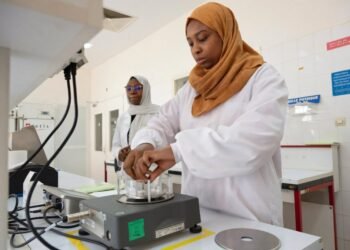



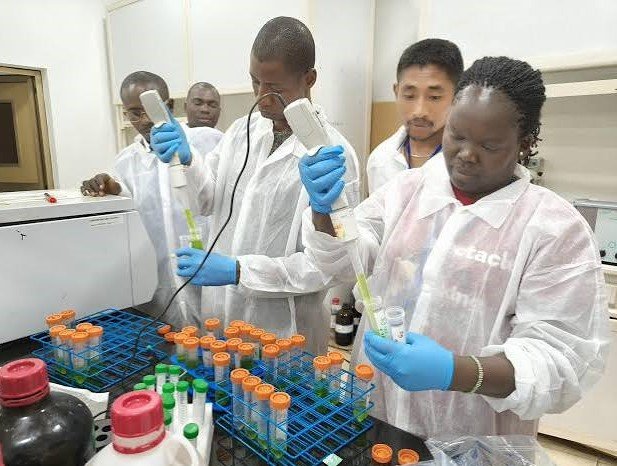
Medical laboratory scientists from across West Africa have gathered in Lomé, Togo, for a regional conference focused on improving the continent’s response to epidemics and strengthening public health systems.
The inaugural congress of the Federation of West African Medical Laboratory Science Associations (FWAMLSA) is taking place from September 15 to 19 at the Palais des Congrès in Lomé. More than 350 participants from at least 16 countries are expected at the event.
The conference is being held under the theme, “Medical Biologists and Public Health in West Africa: Issues, Challenges, and Prospects.”

Ebola Experience Highlights Laboratory Gaps
The meeting has brought renewed attention to the important role of medical laboratories during disease outbreaks.
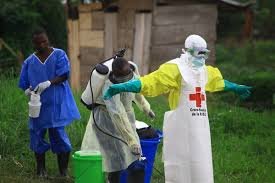
Dr. Arthur Garber of Sierra Leone recalled the devastating Ebola outbreak that affected the country in 2014.
He said laboratory professionals played a critical role during the crisis, particularly because accurate and timely diagnosis was essential to controlling the spread of the disease.
Garber also pointed to weaknesses in Sierra Leone’s diagnostic system at the time, including gaps in professional capacity and laboratory infrastructure.
Experts Seek Stronger Preparedness
The discussions in Lomé are expected to draw on lessons from previous epidemics across Africa.
Participants are examining issues including disease diagnosis, laboratory quality, emerging technologies, research and the One Health approach. The organisers say the congress is also intended to strengthen cooperation among medical laboratory professionals across the region.
The federation’s inaugural meeting is expected to produce recommendations that could help governments improve the role of medical laboratories in public health planning.
Call for Greater Investment
Medical laboratory experts are also urging African governments to place greater emphasis on epidemic preparedness.
They argue that stronger diagnostic systems can help health authorities identify outbreaks earlier and respond more effectively.
The discussions in Togo therefore come as part of a broader effort to improve regional cooperation and ensure that laboratories are better prepared for future health emergencies.