


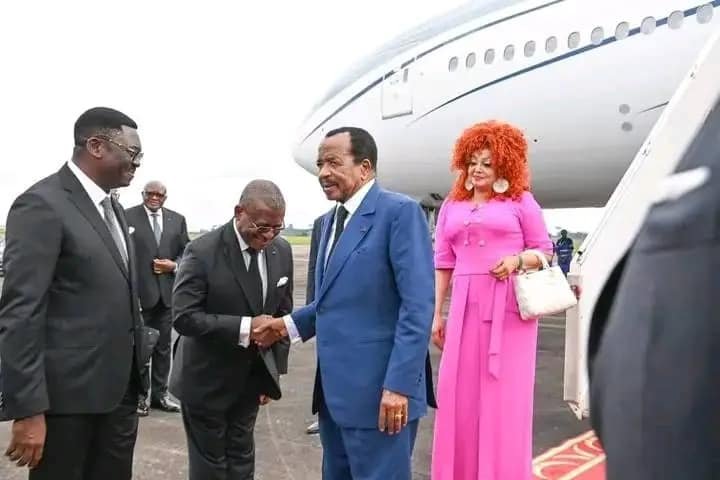
The prolonged absence of Cameroon President Paul Biya from public engagements has reignited public and political discussions over the country’s leadership, with citizens, opposition figures, and analysts seeking greater clarity about the veteran leader’s whereabouts and health.
President Biya, one of Africa’s longest-serving heads of state, has been absent from several official events in recent weeks, fueling speculation across the country and on social media. The lack of detailed official communication has prompted calls for greater transparency from sections of the public and political stakeholders.
Cameroon’s government has sought to reassure citizens that state institutions continue to function normally, insisting that government business is being conducted in accordance with the country’s constitutional framework. Officials have also urged the public to disregard unverified reports circulating online regarding the president’s condition.

Opposition parties and civil society groups, however, have argued that prolonged uncertainty surrounding the president’s public appearances raises legitimate questions about governance, accountability, and the need for regular communication from the country’s leadership.
Political analysts note that Biya’s absence has once again brought succession politics into focus, with discussions intensifying over the future direction of Cameroon should there be any significant change in the country’s political leadership.
Despite the speculation, there has been no official announcement indicating that President Biya is unable to perform his constitutional duties. Observers say continued communication from government authorities will be crucial in addressing public concerns and countering misinformation.
As Cameroon prepares for future political developments, attention remains fixed on the presidency, with both domestic and international observers closely monitoring official updates from Yaoundé.