



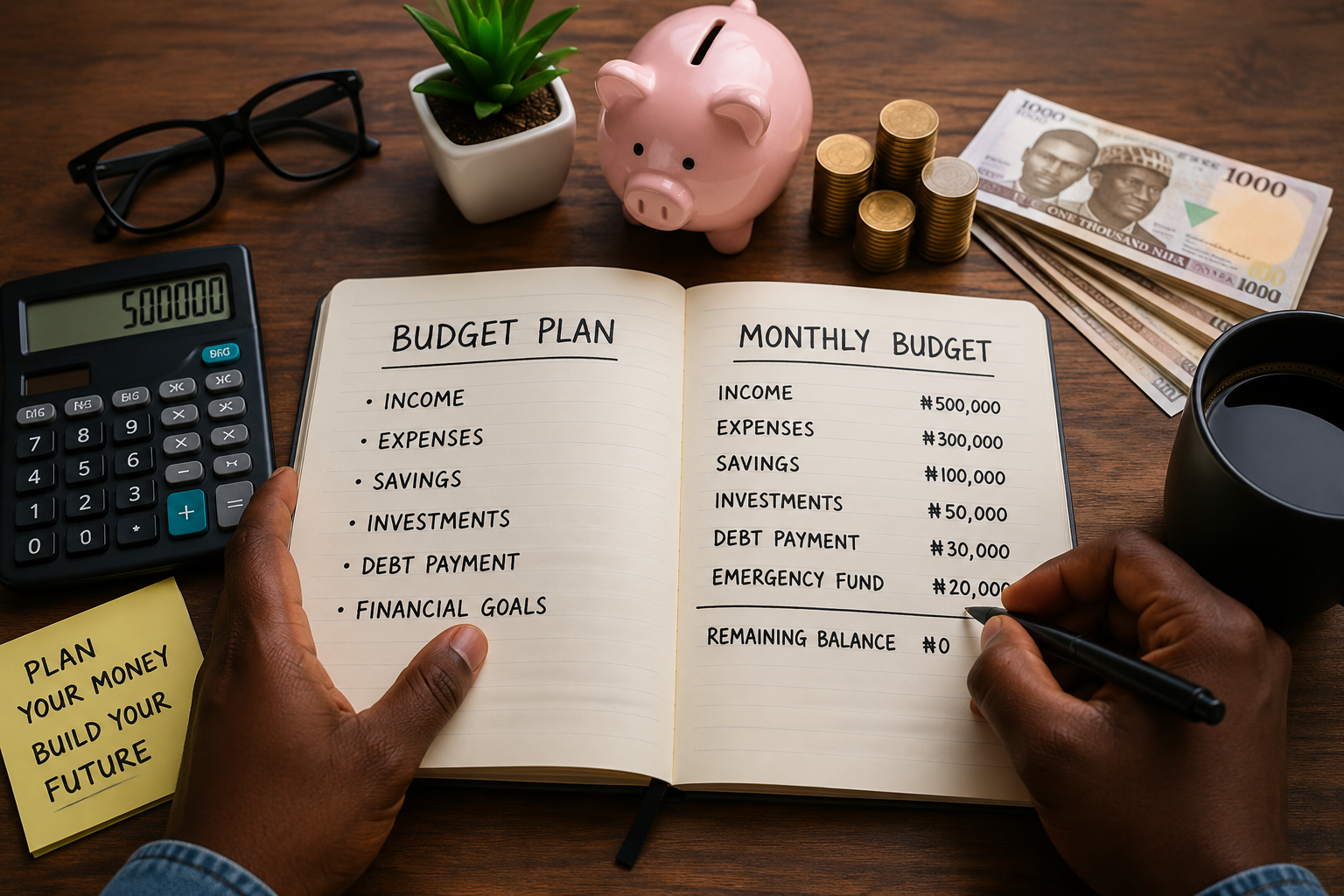
One of the biggest financial mistakes individuals, families, entrepreneurs, and even businesses make is spending money without first creating a budget. It may seem harmless to make purchases based on emotions, convenience, or impulse, but over time, this habit quietly destroys financial stability, limits wealth creation, and creates unnecessary debt.

Budgeting is not about restricting your life—it is about taking control of your money before your money controls you. Whether you earn a modest income or a substantial salary, your financial future depends less on how much you earn and more on how wisely you plan and spend.
This is why financial experts often say: “A budget is telling your money where to go instead of wondering where it went.”
What Is Spending Without a Budget?
Spending without a budget is the practice of using money without a clear financial plan or predetermined allocation. It means buying goods and services without considering whether the expense fits within your income, financial goals, or future obligations.
People who spend without budgeting often:
- Make impulse purchases.
- Depend on credit cards or loans.
- Struggle to save money.
- Live from paycheck to paycheck.
- Have little or no emergency savings.
- Experience financial stress and anxiety.
Although occasional spontaneous spending is normal, making it a habit can have serious long-term consequences.
Why Do People Spend Without Budgeting?
Several factors contribute to poor budgeting habits:
1. Lack of Financial Education
Many people are never taught how to manage money effectively. Schools often teach mathematics but rarely teach budgeting, saving, investing, or financial planning.
2. Emotional Spending
Stress, excitement, boredom, or celebration can trigger unnecessary purchases. Emotional spending provides temporary satisfaction but often leads to regret.
3. Easy Access to Digital Payments
Mobile banking, debit cards, online shopping, and digital wallets make spending effortless. Since physical cash is not exchanged, many people underestimate how much they spend.
4. Social Pressure
Trying to maintain a certain lifestyle or keep up with friends and social media trends often encourages unnecessary spending.
5. Failure to Set Financial Goals
Without clear goals such as buying a home, expanding a business, funding education, or preparing for retirement, spending becomes random rather than intentional.
The Hidden Dangers of Spending Without a Budget
Financial Stress
Unexpected expenses become overwhelming because there is no financial cushion.
Debt Accumulation
Many people rely on loans or credit to cover expenses that could have been prevented through proper planning.
Poor Savings
Without a budget, saving becomes an afterthought instead of a priority.
Missed Investment Opportunities
Money spent unnecessarily could have been invested to generate additional income and long-term wealth.
Business Failure
For entrepreneurs, spending without a financial plan often leads to cash-flow problems, reduced profitability, and business collapse.
Why Budgeting Before Spending Is Essential
It Gives Every Dollar a Job
A budget assigns your income to essential categories such as housing, food, transportation, education, healthcare, savings, investments, and entertainment.
It Helps You Live Within Your Means
Budgeting prevents overspending by ensuring your expenses do not exceed your income.
It Builds Financial Discipline
A budget encourages thoughtful decision-making instead of emotional spending.
It Creates Savings Automatically
Budgeting allows you to pay yourself first by setting aside money for emergencies and future goals before spending on non-essential items.
It Reduces Financial Anxiety
Knowing exactly where your money is going provides confidence and peace of mind.
It Helps You Reach Long-Term Goals
Whether your goal is starting a business, buying property, traveling, funding education, or retiring comfortably, budgeting provides a practical roadmap.
How to Combat Spending Without a Budget
1. Know Your Monthly Income
Calculate your total income from salaries, business profits, investments, and other reliable sources.
2. List Every Expense
Write down all fixed expenses (rent, utilities, insurance) and variable expenses (food, transportation, entertainment, clothing).
3. Prioritize Needs Before Wants
Essential expenses should always come before luxury purchases.
4. Create Spending Categories
Allocate a specific amount to each category and commit to staying within those limits.
5. Build an Emergency Fund
Aim to save enough to cover three to six months of essential living expenses. This provides protection against unexpected events.
6. Track Every Expense
Use a notebook, spreadsheet, or budgeting app to monitor your daily spending. Awareness often leads to better financial decisions.
7. Delay Impulse Purchases
Before buying something unplanned, wait 24 hours. This simple habit reduces emotional spending and helps determine whether the purchase is truly necessary.
8. Review Your Budget Monthly
Life changes, and so should your budget. Regular reviews help you adjust your spending as your income and priorities evolve.
Budgeting Is Not About Limitation—It Is About Freedom
Many people believe budgeting limits enjoyment, but the opposite is true. A well-managed budget allows you to spend confidently because you know your essential needs, savings, and future goals are already covered.
Financial freedom is not achieved by earning more alone—it is achieved by managing what you earn wisely.
The Benefits of Budgeting
- Better financial control.
- Increased savings.
- Reduced debt.
- Improved investment opportunities.
- Greater confidence in financial decisions.
- Stronger family financial security.
- Better preparation for emergencies.
- Long-term wealth creation.
- Sustainable business growth.
- Reduced financial stress.
Final Thoughts
Every successful financial journey begins with a plan. Budgeting is one of the simplest yet most powerful financial habits anyone can develop. It transforms spending from a reaction into a deliberate decision that supports your goals and values.
Whether you are managing a household, running a business, or building your personal wealth, budgeting before spending ensures that your money works for you instead of disappearing without purpose.
Remember this timeless financial principle:
“Never spend money before you have planned how it will be spent.”
Your income may determine your standard of living, but your budgeting habits will determine your financial future. Every dollar you earn deserves a purpose, and every purpose should begin with a budget.