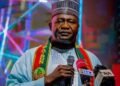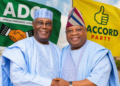



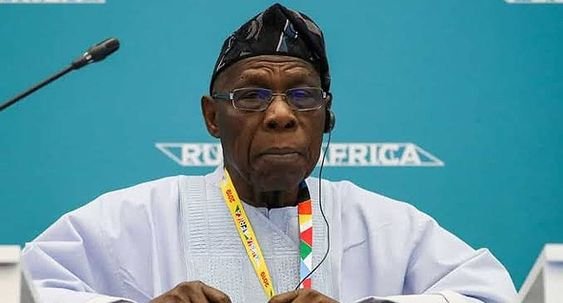
Former President Olusegun Obasanjo has revisited the events surrounding Nigeria’s 2003 general election, criticizing former Ogun State Governor Olusegun Osoba over political developments in the South-West while alleging that his then Vice President, Atiku Abubakar, was involved in moves to remove him from office through impeachment.

Obasanjo made the claims while reflecting on the political tensions that characterized his first term in office, describing the period as one of intense rivalry, internal party disagreements, and power struggles within the country’s political leadership.
According to the former president, disagreements within the ruling Peoples Democratic Party (PDP) and political maneuvering by key figures created serious challenges for his administration. He alleged that some influential politicians, including Atiku, were working behind the scenes to mobilize support for his impeachment at the National Assembly, a development he said threatened the stability of his government.
Obasanjo also faulted former Lagos and Ogun political leader Olusegun Osoba over events leading to the 2003 elections, maintaining that political calculations and alliances at the time contributed to the outcome of the polls in the South-West. He argued that the decisions taken by opposition leaders weakened their political influence and ultimately benefited the PDP during the election.
The former president further defended his administration’s record, insisting that his government remained committed to economic reforms, anti-corruption efforts, and democratic consolidation despite the political battles it faced.
Although Atiku Abubakar has, over the years, denied allegations of disloyalty and has maintained that his differences with Obasanjo were rooted in policy and governance issues rather than personal ambition, the relationship between the two former leaders deteriorated significantly during Obasanjo’s second term in office.
The renewed revelations have once again drawn attention to one of the most turbulent periods in Nigeria’s Fourth Republic, highlighting the intense political rivalry that shaped the country’s democratic journey. Political observers say the latest comments are likely to reignite debate over the events surrounding the 2003 elections and the internal crises that defined the Obasanjo administration.